Leave Your Message
Choosing the right Tomato Plant Support can decide whether a crop stands tall or collapses after one heavy rain. Global buyers must evaluate plant habit, climate, installation time, material strength, and shipping efficiency. A compact balcony cage cannot serve a vigorous indeterminate variety in a humid commercial greenhouse.
Craig LeHoullier, a respected tomato breeder and author, offers a useful principle: “Support should match the plant, the space, and the gardener’s method.” That idea remains practical. Tomato cages suit smaller plants and simple field production. Trellis systems provide stronger vertical control for dense rows. Stakes and clips offer flexibility, especially when growers prune regularly. Heavy-gauge steel lasts longer, while coated wire can reduce corrosion near coastal farms. Bamboo feels sustainable, but its quality varies between suppliers.
The 2026 market needs more than attractive product images. Buyers should inspect wire diameter, weld quality, coating thickness, connector strength, and carton dimensions. Small details matter. A weak joint may fail when fruit clusters become heavy. Poor packaging can also bend supports before installation.
This guide compares leading Tomato Plant Support types for distributors, growers, greenhouse operators, and agricultural retailers worldwide. It considers labor, reusability, crop yield protection, storage, and regional weather exposure. No support system is perfect. A tall trellis may improve airflow but require more setup. A foldable cage saves warehouse space but may feel less stable. Those trade-offs deserve honest attention before large-volume purchasing.
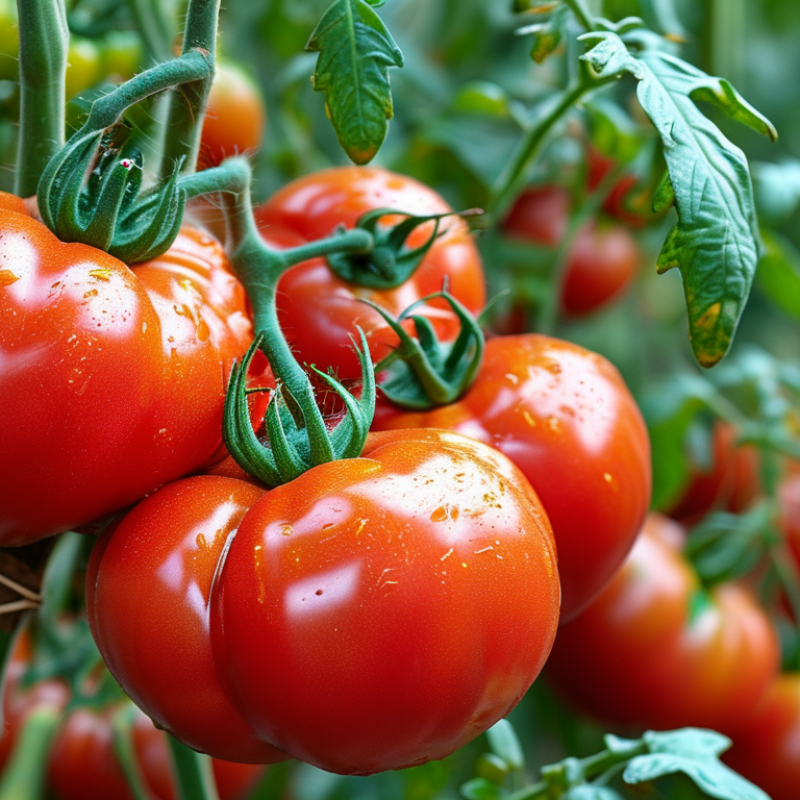
Choosing the right tomato plant support starts with plant growth, not appearance. Determinate varieties stay compact and often suit short cages or single stakes. Indeterminate vines may exceed two meters and need taller cages, trellises, or string systems. Before buying, check mature height, expected fruit weight, spacing, and local weather. A small cage may look practical, but it can collapse under heavy clusters or strong wind.
Material affects service life and handling. Galvanized steel offers useful strength in open fields, while coated metal can reduce contact with moisture. Bamboo and other natural poles are light and renewable, but they may split, decay, or carry soil pathogens when reused carelessly. Plastic supports resist rust and remain easy to clean, although brittle products can crack in intense sunlight. Global buyers should examine thickness, joint quality, packaging, and replacement availability. These details often matter more than a low purchase price.
Installation is part of the support system. Push stakes deeply into firm soil before vines become heavy. Tie stems with soft, wide material to avoid cutting into tender growth. Leave space between foliage and the structure for airflow and easier harvesting. I once underestimated fruit weight on a vigorous crop, and the support leaned within days. That mistake showed me that stated load capacity needs practical testing. Inspect fasteners after rain, and adjust ties as stems expand. No selection method is perfect; soil, climate, and crop habits can change the result.
| Support Type | Typical Height | Best Tomato Growth Habit | Recommended Plant Spacing | Common Materials | Typical Service Life | Main Advantages | Key Limitations | Best Use Case | Important Buying Criteria |
|---|---|---|---|---|---|---|---|---|---|
| Single Stake | 1.2–2.4 m (4–8 ft) |
Indeterminate Determinate |
45–60 cm (18–24 in) |
Bamboo, wood, fiberglass, steel, coated metal | 1–10+ seasons, depending on material and weather exposure | Low purchase cost; easy to store; suitable for narrow beds; supports the main stem directly | Requires regular tying; a single stake may not support heavy fruit clusters or multiple stems | Small gardens, containers, raised beds, and low-density planting | Check stake rigidity, smooth surface, length, pointed end, rust resistance, and safe tying points |
| Spiral Stake | 1.2–2.0 m (4–6.5 ft) |
Indeterminate | 45–60 cm (18–24 in) |
Galvanized steel, powder-coated steel, stainless steel | 5–15+ seasons, depending on coating and climate | Guides the stem around the spiral; reduces the need for frequent tying; reusable | Limited support for very heavy plants; installation can disturb roots if added late | Home gardens and container production with one main stem | Review wire diameter, coating quality, spiral pitch, base stability, and load-bearing capacity |
| Wire Tomato Cage | 0.9–1.8 m (3–6 ft) |
Determinate Compact Indeterminate |
60–90 cm (24–36 in) |
Galvanized wire, PVC-coated wire, welded steel wire | 3–10+ seasons, depending on wire gauge and corrosion protection | Supports branches from several directions; quick installation; reduces tying work | Small commercial cages may be too short or weak for vigorous indeterminate varieties | Open-field gardens, home gardens, and medium-sized planting areas | Compare wire diameter, mesh opening, cage diameter, leg length, weld strength, and corrosion resistance |
| Heavy-Duty Folding Cage | 1.2–2.1 m (4–7 ft) |
Indeterminate Large-fruited |
75–100 cm (30–40 in) |
Reinforced steel, galvanized steel, powder-coated steel | 5–15+ seasons | High stability; folds for transport and storage; supports broad plants and heavy fruit loads | Higher material and shipping cost; needs adequate space and anchoring in windy locations | Vigorous plants, windy sites, and reusable garden systems | Assess frame thickness, hinge durability, footprint, folding dimensions, and anchoring options |
| A-Frame Trellis | 1.2–2.1 m (4–7 ft) |
Indeterminate Multi-stem |
45–75 cm (18–30 in) |
Wood, bamboo, steel tubing, galvanized wire mesh | 2–10+ seasons, depending on material and treatment | Provides two-sided support; distributes plant weight; can improve airflow between rows | Requires more floor space and assembly than a single stake; may need end bracing | Raised beds, small plots, and areas where two-sided access is useful | Check frame width, height, joint strength, stability, foldability, and compatibility with local soil conditions |
| Vertical String Trellis | 1.8–3.0 m (6–10 ft) |
Indeterminate | 45–60 cm (18–24 in) |
UV-resistant polypropylene twine, polyester string, galvanized support wire, metal posts | 1–5 seasons for twine; 5–15+ seasons for structural posts and wire | Efficient use of greenhouse space; supports tall plants; suitable for pruning and controlled training | Needs a strong overhead structure; twine must be managed and replaced more often than metal supports | Greenhouses, high tunnels, and intensive protected cultivation | Verify tensile strength, UV stability, knot performance, post spacing, overhead load rating, and installation method |
| Horizontal Trellis Netting | Support frame typically 1.2–2.0 m (4–6.5 ft) |
Determinate Semi-determinate |
45–75 cm (18–30 in) |
UV-stabilized polypropylene, polyester, nylon | 1–5 seasons, depending on fiber, UV exposure, and handling | Lightweight and easy to ship; supports branches over several layers; useful for systematic crop training | Can entangle with stems; installation and removal require care; weak netting may stretch under fruit weight | Greenhouses, tunnels, nurseries, and organized garden rows | Review mesh size, net thickness, tensile strength, UV stabilization, edge reinforcement, and roll dimensions |
| Florida Weave System | Posts usually 1.5–2.1 m (5–7 ft) |
Determinate Semi-determinate |
45–60 cm (18–24 in); rows commonly 90–120 cm (36–48 in) apart |
Wood or metal end posts, intermediate stakes, polypropylene twine | 1–10+ seasons, depending on twine and post material | Efficient for rows; lower cost per plant than individual cages; easy to scale for field production | Requires row-end anchoring and repeated weaving; less suitable for widely branching plants | Open-field rows and medium-to-large-scale production | Check twine tensile strength, post rigidity, end-post anchoring, row length, and resistance to wind and wet conditions |
| Overhead Rail and Clip System | Usually 2.0–4.0 m (6.5–13 ft) structure height |
Indeterminate | 30–50 cm (12–20 in), depending on cultivar and greenhouse layout |
Galvanized steel rails, clips, hooks, UV-resistant twine | 5–15+ seasons for rails; clips and twine vary by material | Supports high-wire training; simplifies lowering and leaning plants; makes efficient use of greenhouse height | Higher installation cost; requires a properly engineered greenhouse structure and trained labor | Commercial greenhouse production and long-cycle crops | Confirm structural load rating, rail compatibility, clip grip, twine strength, corrosion protection, and worker safety requirements |
| Bamboo or Natural Cane Trellis | 1.2–2.4 m (4–8 ft) |
Determinate Indeterminate |
45–75 cm (18–30 in) |
Bamboo, rattan, untreated or treated wood, natural fiber ties | 1–5 seasons, depending on moisture, insects, treatment, and storage | Renewable appearance; lightweight; easy to cut and configure; generally suitable for low-tech systems | Natural materials may split, decay, or vary in diameter; inconsistent strength can affect load capacity | Small farms, gardens, low-input systems, and markets preferring natural materials | Check moisture content, straightness, diameter consistency, surface splinters, treatment compliance, and packaging protection |
| Container Support Ring | 0.6–1.5 m (2–5 ft) |
Determinate Patio Compact |
One plant per container; pot volume commonly 15–30 L for larger plants | Plastic-coated steel, galvanized steel, fiberglass, durable plastic | 2–10+ seasons, depending on material and outdoor exposure | Compact footprint; simple setup; suitable for balconies, patios, and movable containers | Limited capacity for large indeterminate plants; container stability can be a concern in wind | Urban gardening, patios, balconies, and small containers | Match support height to pot size; check base fit, corrosion resistance, ring diameter, stability, and storage dimensions |