What is the Best DIY Tomato Trellis Design for Your Garden?
Creating the best DIY tomato trellis involves understanding your garden's needs. Renowned gardening expert, Lisa Taylor, emphasizes, "A sturdy trellis can change your tomato-growing game." With the right design, you can support healthy plants and increase your yield.
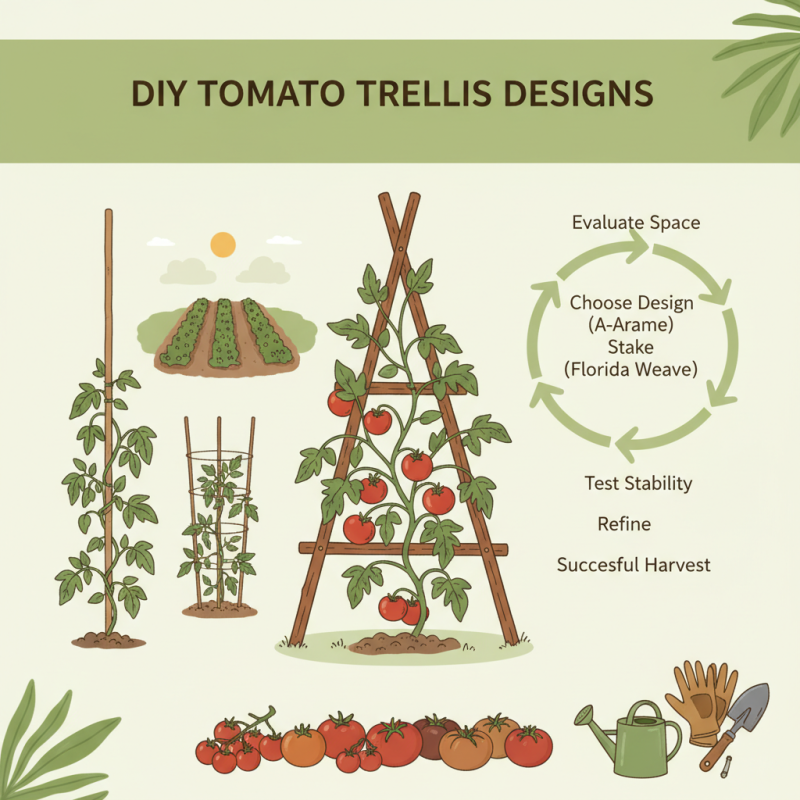
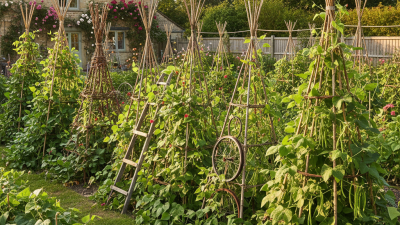
When choosing a DIY tomato trellis, consider your space. Some designs are simple, like A-frames or vertical stakes. Others are more complex, like the Florida weave method. Experimenting with different styles can yield various results. However, not every design works in every garden. You may encounter challenges with support and stability.
Ultimately, a successful DIY tomato trellis should be functional and tailored to your plants. Your choice will depend on your area, gardening style, and tomato variety. Reflect on your gardening experience. Evaluate what has and hasn't worked before. Be prepared to refine your design for best results.
Best Materials for DIY Tomato Trellis: Pros and Cons
When choosing materials for a DIY tomato trellis, it's important to weigh their pros and cons. Wood is a popular option. It is sturdy and blends well with gardens. However, untreated wood can rot over time. Regular maintenance is needed to ensure its longevity. Using treated wood can reduce decay, but chemicals may leach into the soil.
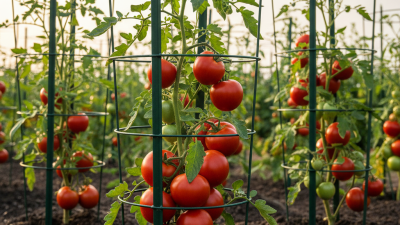
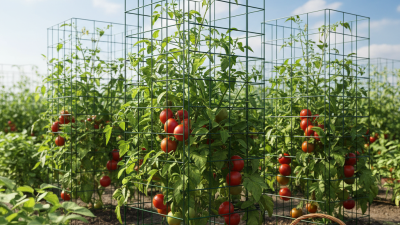
Metal is another strong choice. It offers durability and resistance to weather. Many gardeners prefer galvanized steel or aluminum for their trellises. These materials are lighter and easier to assemble. Yet, metal can heat up quickly in the sun, potentially harming plants. Additionally, metal may require special tools for cutting and shaping.
Plastic is an affordable alternative. It is lightweight and easy to install. While it won't rot or rust, it can become brittle over time and may not support heavy tomato plants. Some gardeners find plastic less visually appealing. Each material has trade-offs. Assess your garden's needs carefully for the best results.
What is the Best DIY Tomato Trellis Design for Your Garden? - Best Materials for DIY Tomato Trellis: Pros and Cons
| Material |
Pros |
Cons |
| Wood |
Sturdy, natural look, easy to customize |
Can rot over time, requires maintenance |
| Metal |
Durable, weather-resistant, long-lasting |
Can be expensive, may require specialized tools |
| PVC Pipe |
Lightweight, easy to assemble, resistant to rot |
Less aesthetically pleasing, can become brittle over time |
| Trellis Netting |
Flexible, lightweight, supports vine growth well |
May sag under heavy load, less sturdy than others |
| Bamboo Stakes |
Natural, biodegradable, renewable material |
Less durable, can break if not handled properly |
Understanding Tomato Plant Growth Patterns for Optimal Trellis Design
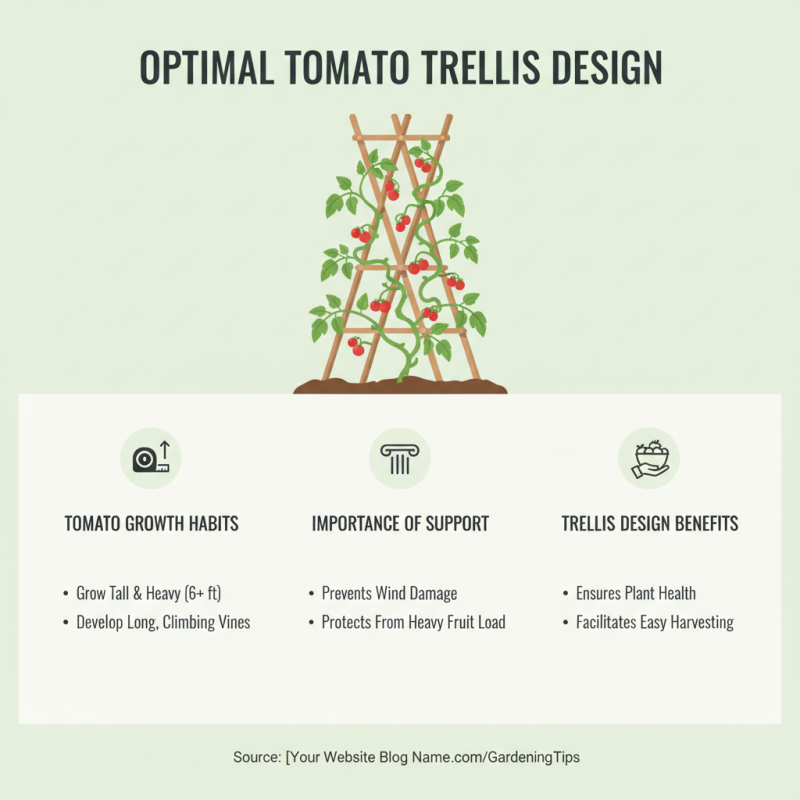
When designing a tomato trellis, it's crucial to understand the growth patterns of tomato plants. These plants can grow tall and heavy, requiring strong support. As they climb, they develop long vines that can easily reach heights of six feet or more. A sturdy trellis helps prevent breakage from wind or heavy fruit loads. Using a design that allows for easy access also saves time during harvesting.
Different varieties of tomatoes exhibit unique growth habits. Indeterminate types keep growing and producing fruit throughout the season. They require vertical support to keep the plants off the ground. Determinate varieties, on the other hand, grow to a certain height and stop. They may need less intricate support but still benefit from some form of staking or trellising.
Building a trellis isn't a one-size-fits-all task. For example, some gardeners find that a simple wooden frame works, while others prefer a more elaborate grid. Observing your plants will reveal what works best. Experimenting with materials can help you refine your design. Don't hesitate to adjust your trellis mid-season if needed. A well-planned trellis offers support and improves air circulation around the plants, reducing disease risks.
Step-by-Step Guide to Building a Sturdy A-Frame Tomato Trellis
Building a sturdy A-frame tomato trellis can significantly boost your garden's productivity. An effective trellis supports healthy growth and keeps plants off the ground. This is crucial to prevent diseases and ensure better air circulation.
Start by selecting your materials. Use weather-resistant wood or metal for durability. Cut two long support beams and connect them at the top, forming an A-shape. Make sure the angle is wide enough to provide stability. You’ll need to secure the base of the A-frame with stakes or concrete for added strength.
Next, attach horizontal cross supports at intervals for the tomatoes to climb. This structure allows the plants to spread evenly, but remember, it will require monitoring. As the tomatoes grow, regular adjustments might be necessary. You may find some plants lean too much to one side. This is a common issue, but you can easily correct it with ties or clips. Remember to inspect your trellis regularly for wear and tear. Each season brings its own challenges, and your structure might need repairs.
Tomato Plant Growth Comparison: A-Frame Trellis vs. No Trellis
Vertical vs. Horizontal Trellis Systems: Which is More Effective?
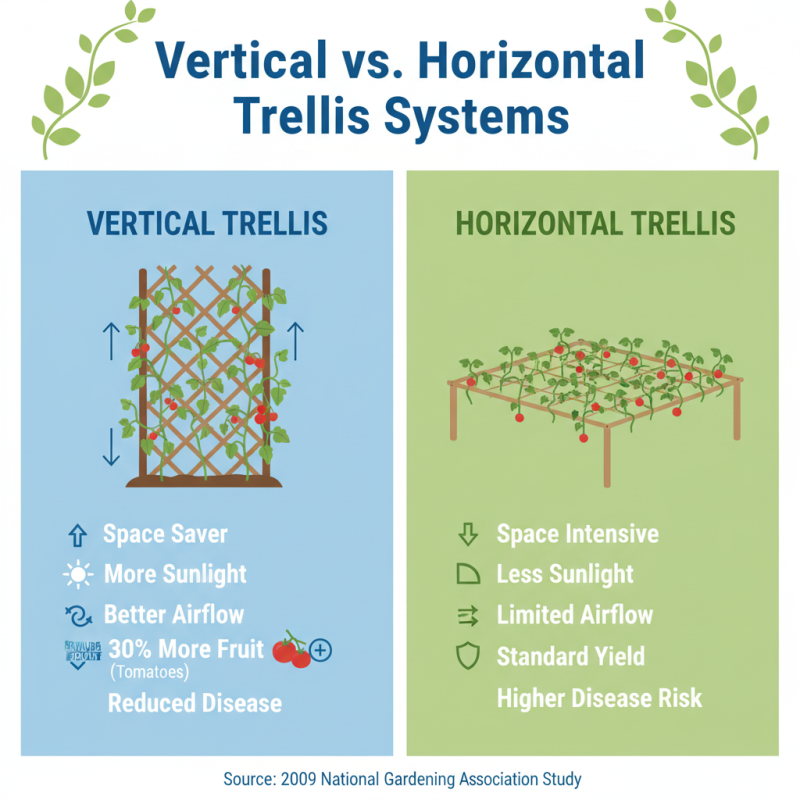
When deciding between vertical and horizontal trellis systems, gardeners should consider their available space and plant type. Vertical trellises utilize vertical height effectively. This design enhances air circulation and sunlight exposure, which are crucial for healthy tomato plants. A 2009 study by the National Gardening Association shows that plants grown vertically can yield up to 30% more fruit. This is due to better light access and reduced risk of disease from soil splashes.
On the other hand, horizontal trellis systems may require more ground space, but they can support a larger number of plants in smaller areas. This system is often easier to manage if you're limited by height. Research from Purdue University indicates that plants trained horizontally can produce larger tomatoes as they have a stable support system. However, horizontal layouts can lead to increased pest issues as plants are close together, making monitoring more challenging.
Each system has its own set of pros and cons. Vertical trellises need stronger support and may require more frequent watering. Meanwhile, horizontal trellises might encourage overcrowding, leading to competition for nutrients. Assessing both designs within the context of your garden's unique conditions is important for long-term success.
Maintenance Tips for Longevity of Your Tomato Trellis Design
When it comes to maintaining a tomato trellis, regular checks are crucial. Structural integrity affects your plants' health. A study by the American Society for Horticultural Science noted that trellised tomatoes can yield up to 30% more fruit. To maximize this benefit, inspect your trellis for signs of wear and damage. Look for rust and loose connections.
Weather can wear down your trellis. Heavy winds may shift or break it. Use sturdy materials that withstand local weather conditions. Metal and hardwood options tend to last longer, but they may require additional care. Applying a protective sealant can prevent rust on metal components and extend their life.
Routine maintenance tasks can include tightening screws and cables. Removing any plant debris is essential too. This helps prevent pests and diseases. Additionally, consider rotating your trellis design every few seasons. Doing so allows you to assess wear patterns and replace only the necessary parts. Keep your garden thriving with mindful upkeep.