How to Choose the Best Arch Trellis for Your Garden?
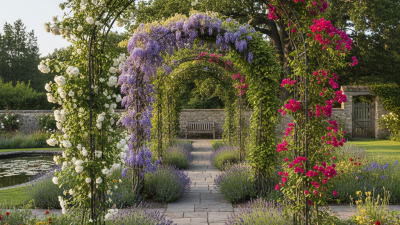
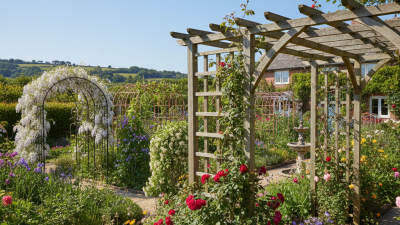
When designing a garden, choosing the right "Arch Trellis" can elevate the landscape's aesthetic. Renowned garden designer, Sarah Thompson, states, “A well-chosen arch trellis can transform ordinary spaces into extraordinary gardens.” This underscores the importance of thoughtful selection.
Consider the materials and dimensions of the arch trellis. Wooden options may offer a classic feel, while metal designs can lend a sleek modern look. It’s crucial to assess how these choices fit into your garden's overall theme. Reflecting on personal preferences can be challenging. It's easy to overlook how different styles impact the garden’s vibe.
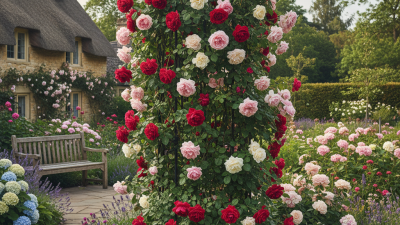
Additionally, contemplate the plants that will adorn the trellis. Climbing roses or vibrant clematis can create stunning visuals. However, it’s vital to match plant needs with the trellis structure. A strong trellis is necessary for heavier vines. Often, gardeners rush into decisions without fully considering these aspects. Taking time to research can lead to a more rewarding outcome, ensuring your "Arch Trellis" becomes a true focal point in your garden.
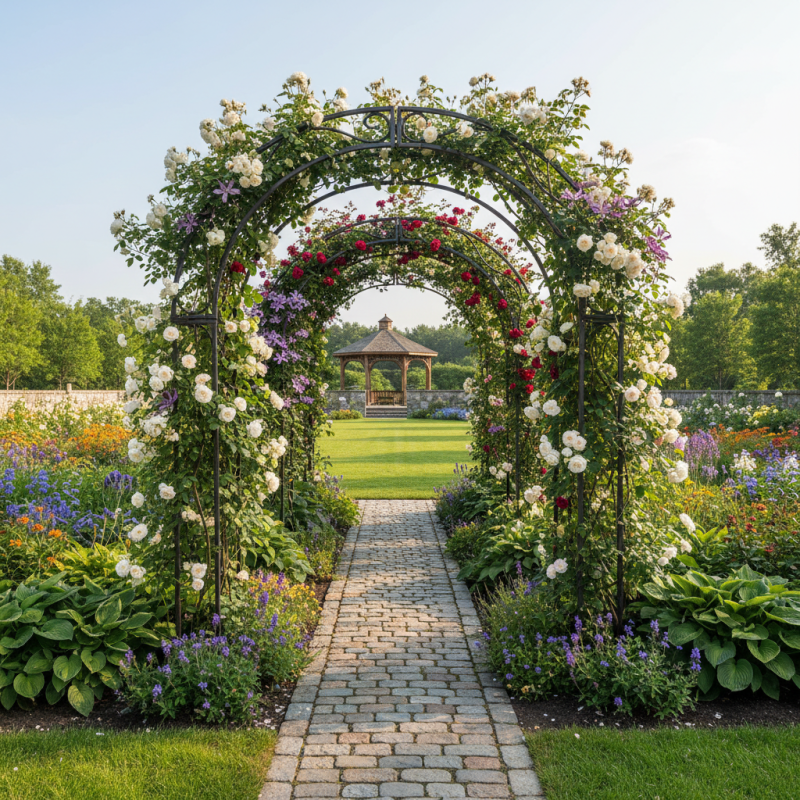
How to Determine the Right Size for Your Garden Arch Trellis
Choosing the right size for your garden arch trellis is essential for both aesthetics and functionality. Measure the space where you plan to place the trellis. A tall arch can create a stunning focal point, while a smaller one may suit a more intimate area. Consider your garden’s overall scale; too large may overpower, while too small might get lost.
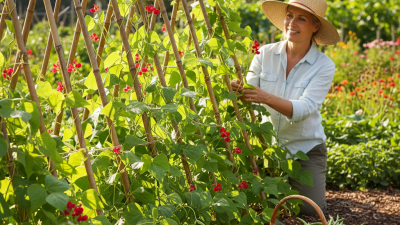
Think about the plants you'll use. Vining plants like sweet peas or clematis need ample height and width to grow effectively. Ensure the trellis can support their weight as they flourish. Pay attention to the surrounding elements too. If nearby structures or trees cast shadows, a taller trellis could counterbalance that. Reflect on how your chosen size interacts with pathways and seating areas as well.
While these guidelines can help, everyone has unique garden layouts. Your personal taste plays a significant role in what size feels right. It's vital to visualize the final look before making a decision. Don’t be afraid to tweak your plans. A trellis that appears perfect on paper may not fit so well in reality. Allow room for adjustments and embrace the design process as part of your gardening journey.
Materials Options: Wood, Metal, and Plastic Trellises Explained
When choosing an arch trellis, consider the materials carefully. Wood is a classic option. It offers a natural look and blends well with gardens. However, it can rot over time. Regular maintenance is necessary to prolong its life. Look for treated wood to enhance durability.
Metal trellises are sturdy and long-lasting. They resist weather conditions and can support heavy plants. Rust can be an issue though. Consider galvanized or powder-coated finishes to prevent corrosion. Metal adds a modern touch to traditional gardens.
Plastic trellises are lightweight and easy to install. They come in various colors, making it easy to match your garden's palette. Some plastics may degrade under direct sunlight. Checking the quality is essential to ensure longevity. Each material has its strengths and weaknesses, so think about your garden's specific needs before deciding.
Material Comparison of Garden Trellises
Design Styles: Classic, Modern, and Rustic Trellis Designs
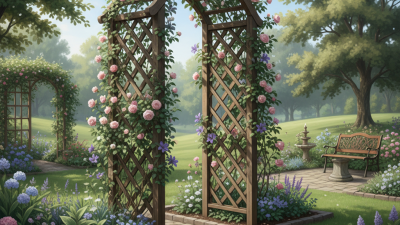
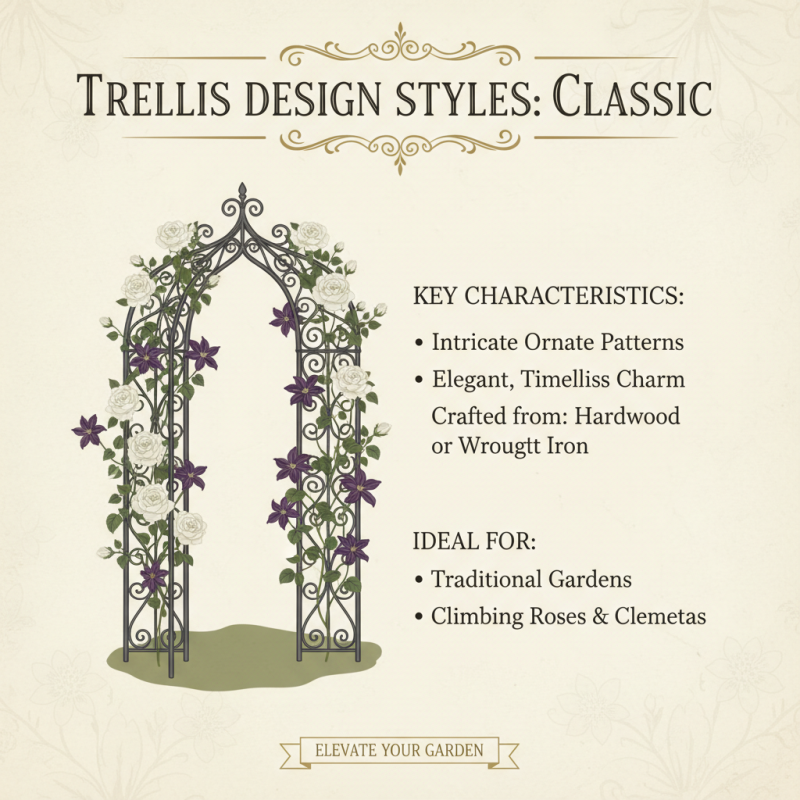
When designing a garden, choosing the right arch trellis is essential. Classic, modern, and rustic styles each bring unique characteristics. Classic trellises often feature intricate patterns, evoking an elegant charm. They blend beautifully with traditional gardens, showcasing climbing roses or clematis. The craftsmanship of hardwood or wrought iron adds a timeless feel, elevating the garden's aesthetic.
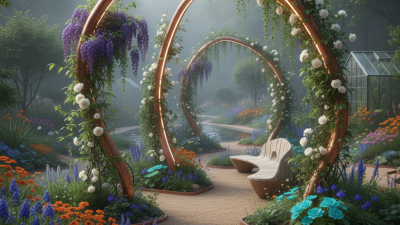
In contrast, modern trellis designs emphasize clean lines and minimalist structures. These can be made from materials like aluminum or treated wood, providing durability and a contemporary look. They work well in sleek, modern spaces, often serving as stunning backdrops for vibrant plants. However, their simplicity may not suit every garden style.
Rustic trellises offer a quaint and organic touch. Made from natural wood or bamboo, they harmonize with wildflower gardens or cottage styles. While they add charm, they may require more upkeep compared to other materials. It's essential to consider how each style complements your garden’s overall design. Finding the right balance can make your garden not just beautiful, but also functional.
Plant Compatibility: Selecting the Best Climbers for Your Trellis
Choosing the right climbers for your trellis is essential for a flourishing garden. Consider the sunlight and moisture levels in your space. Different plants thrive under varying conditions. Look for those that will flourish in your garden's unique environment.
For sunny spots, vibrant flowering vines like morning glories are wonderful. They add color and attract pollinators. In shadier areas, opt for climbing plants such as clematis. These provide lush greenery without overwhelming the trellis.
Tips:
Always check the growth habits of the plants. Some climbers can be aggressive. They may choke out nearby plants if not properly managed. Regular pruning helps maintain balance. Also, be mindful of the support structure. Not all trellises can handle heavy vines. Choose materials that are durable yet compatible with your climbers’ weight.
Finding the perfect climbers can often take experimentation. What works in one garden may fail in another. Be patient as you refine your choices. A well-thought-out selection leads to a dynamic landscape that evolves with the seasons.
Maintenance Tips: Ensuring Longevity for Your Arch Trellis Structure
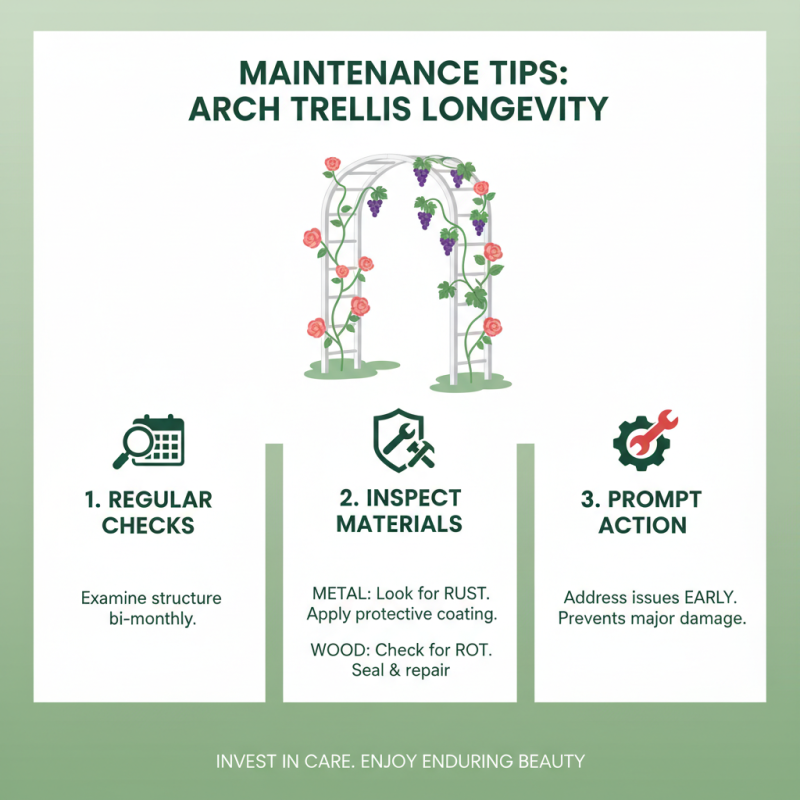
When you invest in an arch trellis, proper maintenance ensures its longevity. Regular checks are essential. Examine for rust or rot, especially in metal or wood materials. Addressing these issues promptly prevents bigger problems later.
For optimal upkeep, keep foliage trimmed. This prevents excess weight on the structure. Heavy vines can strain joints and weaken the trellis. Remember, less is sometimes more when it comes to plant density.
Consider seasonal treatments like applying wood sealant or rust-resistant paint. These protective measures extend the life of your trellis against weather elements. While maintenance might seem tedious, it’s a small price for lasting beauty in your garden. A well-maintained arch trellis can transform any space into a lush retreat.