Leave Your Message

What Are the Top 10 Houseplant Supports for Buyers?

Choosing the right support can change how a houseplant grows, climbs, and fills a room. The best Houseplant Supports offer stability without crowding stems, roots, or nearby furniture. This guide explores the top ten options for buyers seeking practical, attractive, and durable solutions.

The comparison considers material strength, height, adjustability, installation, and long-term value. It includes moss poles, coir stakes, bamboo frames, metal trellises, wall grids, and soft plant ties. Each option suits different plants and growing habits. A climbing Monstera may need a tall, moisture-friendly pole, while a small pothos might only need a simple hoop. Details matter. Wet soil can loosen a thin stake. Rough wire can scratch tender vines. A heavy ceramic pot may require a wider base.

Buyer experience also matters. Measure the pot before ordering, and check whether the support can expand as the plant matures. Look for rust-resistant finishes, reusable fasteners, and clear weight limits. These features often matter more than decorative styling. Based on common horticultural practice, supports should guide growth rather than force it. However, no ranking fits every home, plant, or budget. I may favor sturdy designs, yet apartment growers could prefer lightweight models. That difference deserves attention.

Expect useful comparisons, not perfect answers. The strongest choice depends on your plant’s size, light exposure, moisture needs, and your willingness to maintain it. A good support should disappear into the plant’s design while quietly preventing bent stems, leaning pots, and unnecessary damage.
What Are the Top 10 Houseplant Supports for Buyers?

What Makes a Houseplant Support Effective for Indoor Growth

What Are the Top 10 Houseplant Supports for Buyers?

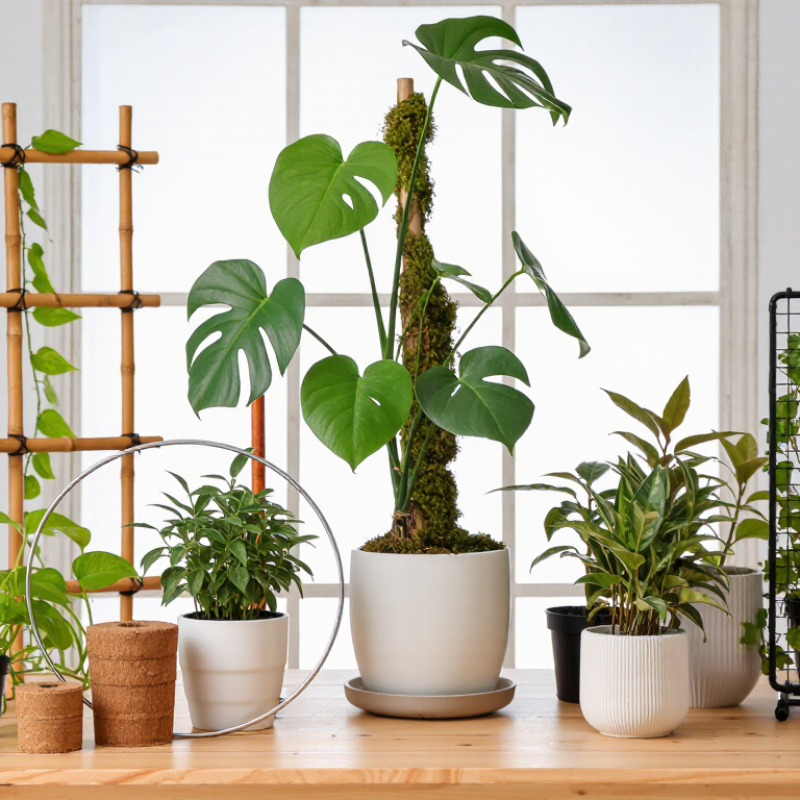
An effective houseplant support does more than hold a leaning stem. It guides growth, protects leaves, and keeps light reaching new foliage. The top ten options include moss poles, coir poles, bamboo stakes, wire hoops, trellises, ladders, plant cages, wall grids, soft clips, and adjustable ties. Choose based on plant weight, climbing habit, pot size, and available light. A support should stay stable when the soil is watered. It should also resist moisture without sharp edges.

Light access matters greatly indoors. A University of Exeter study, published in 2014, reported a 15% productivity increase in enriched office environments with plants. Supports can help create that visual greenery, but poor placement may shade lower leaves. I have seen vines tied too tightly, leaving pinched stems and damaged tissue. Loose ties are safer. Leave room for natural thickening. Small gaps also improve airflow around crowded foliage.

The Royal Horticultural Society recommends securing climbers gently and checking ties as growth continues. A 2024 indoor gardening market report from Grand View Research valued the global market at over 20 billion dollars, showing strong consumer interest in indoor plants and related accessories. Buyers should still question decorative designs. A beautiful support may wobble, trap water, or block a window. Test it beside the plant first. For heavy vines, connect the support to the pot or wall carefully, rather than relying on loose soil alone.
What Are the Top 10 Houseplant Supports for Buyers? - What Makes a Houseplant Support Effective for Indoor Growth

Rank Support Type Best Indoor Use Typical Height Recommended Load Useful Features Why It Supports Healthy Growth Buyer Considerations
1 Moss Pole Climbing aroids, pothos, philodendrons, and climbing monsteras 18–48 in (46–122 cm) Light to medium vines; approximately 2–6 lb (0.9–2.7 kg) Textured surface, stackable sections, plant ties, adjustable height Encourages aerial-root attachment and directs stems upward toward available light. Needs a stable pot and occasional repositioning as the plant grows.
2 Coco Coir Pole Climbing tropical plants and medium-sized vines 18–36 in (46–91 cm) Approximately 2–5 lb (0.9–2.3 kg) Natural fiber texture, breathable surface, simple vertical profile Provides friction for climbing stems while allowing air movement around roots and foliage. Natural fibers may dry out or loosen over time and are less suitable for very heavy plants.
3 Bamboo Stakes Single-stem plants, orchids, young trees, and flowering houseplants 12–48 in (30–122 cm) Approximately 1–4 lb (0.5–1.8 kg) per stake Lightweight, narrow, easy to cut, available in multiple diameters Keeps upright stems from bending and reduces the risk of breakage under uneven light. Insert carefully to avoid damaging roots; use soft ties rather than tight wire.
4 Metal Plant Trellis Vining plants, hoyas, jasmine, and compact climbing plants 12–30 in (30–76 cm) Approximately 3–10 lb (1.4–4.5 kg) Rigid frame, geometric shapes, durable coating, reusable structure Distributes stems across a wider area, improving light exposure and airflow. Check coating quality and dimensions so the frame fits the pot without crowding roots.
5 Wire Hoop Support Trailing plants, soft-stemmed vines, and compact flowering plants 10–24 in (25–61 cm) Approximately 1–4 lb (0.5–1.8 kg) Circular frame, flexible routing, low visual profile, simple installation Supports outward growth without sharply bending stems or blocking leaves. Best for flexible stems; may deform under the weight of mature foliage.
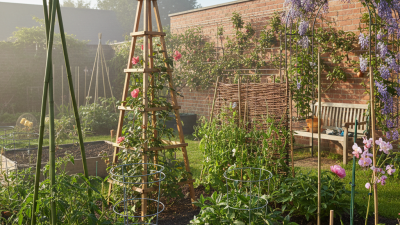
6 Obelisk Trellis Bushy climbers, compact vines, and plants needing all-around structure 18–36 in (46–91 cm) Approximately 4–12 lb (1.8–5.4 kg) Wide base, tapered top, multiple attachment points, strong stability Supports several stems while preserving space between leaves for ventilation. Requires a sufficiently wide pot and may be too large for small shelves.
7 Plant Clips and Soft Ties Training stems along windows, poles, shelves, and existing frames Flexible placement; no fixed height Light stems only; approximately 0.5–2 lb (0.2–0.9 kg) per attachment Adjustable tension, reusable clips, soft surfaces, easy maintenance access Guides growth without compressing stems when the ties are installed loosely. Inspect regularly because expanding stems can become constricted.
8 Wall-Mounted Plant Grid Vines trained vertically in apartments, offices, and small rooms 18–48 in (46–122 cm) Depends on wall fixing; approximately 5–15 lb (2.3–6.8 kg) Space-saving design, broad training area, modular attachment points Uses vertical space and separates foliage, which can improve light distribution. Use suitable wall anchors and keep irrigation water away from vulnerable surfaces.
9 Plant Ladder Trailing plants, multiple small pots, and decorative vertical displays 24–60 in (61–152 cm) Approximately 8–25 lb (3.6–11.3 kg), depending on construction Several levels, open airflow, movable placement, display flexibility Raises foliage toward brighter areas and prevents pots from sitting directly on the floor. Confirm shelf depth, anti-tip stability, and the total weight of all containers.
10 Adjustable Plant Support Ring Top-heavy plants, young palms, peace lilies, and spreading foliage 12–30 in (30–76 cm) Approximately 2–8 lb (0.9–3.6 kg) Height adjustment, circular support, removable design, low maintenance Keeps leaves and stems lifted, reducing contact with damp soil and nearby surfaces. Select a ring wide enough to avoid rubbing leaves and avoid overtightening around stems.
Effective-support checklist: Choose a support that matches the plant’s mature weight, has a stable base, leaves enough room for stem expansion, resists moisture, and can be adjusted as the plant grows. Load figures are practical estimates and vary with pot size, anchoring method, material quality, and plant distribution.

The Top 10 Houseplant Supports and Their Main Features

What Are the Top 10 Houseplant Supports for Buyers?

The Top 10 Houseplant Supports and Their Main Features

Choosing a support depends on the plant’s weight, growth habit, and available light. For climbing aroids, moss poles provide a textured surface for aerial roots. Coir poles offer a firmer, drier alternative with a natural appearance. Wire trellises create broad climbing routes for vines and remain easy to reshape. Bamboo stakes suit upright plants with thin stems and require simple ties. Metal hoops guide spreading plants around a pot while adding gentle structure.

Wall grids support long vines and save valuable floor space. Plant clips secure individual stems without forcing them into one direction. Adjustable ladder trellises work well for plants that grow unevenly. Tripod supports distribute weight across several legs, helping larger pots stay balanced. Hanging rings support trailing plants and keep foliage away from crowded shelves. They also improve air movement around dense leaves.

I have sometimes chosen a support that looked attractive but lacked enough strength. That mistake taught me to check the mature plant, not its current size. Use soft ties, and leave room for stem expansion. Tight wire can damage tender tissue. Supports should stand firmly without compressing the root ball. Clean reusable materials before moving them between plants. Some features sound practical, yet poor placement can block light or make watering awkward. A careful trial is often necessary.

What Are the Top 10 Houseplant Supports for Buyers?

These houseplant supports are compared using practical buyer criteria: stability, adjustability, suitability for climbing plants, ease of installation, and visual versatility. The scores are feature-based ratings on a 1–5 scale rather than brand or sales data.

How to Match Each Support with Different Plant Types

What Are the Top 10 Houseplant Supports for Buyers?

The best choice depends on growth habit, stem strength, and available light.

A moss pole suits climbing aroids, such as monstera, because aerial roots can grip its damp surface. A coir pole offers similar guidance, but dries faster.

Use a narrow bamboo stake for upright orchids, hoyas, and young rubber plants. Their stems need support without heavy soil pressure.

A small trellis works better for vining plants, including pothos and jasmine. A wall grid gives spreading vines room while keeping leaves away from cold glass.

For top-heavy plants, choose a tripod, ladder trellis, or sturdy ring support. These distribute weight more safely than one thin stick. A metal hoop can guide trailing stems, although it may look oversized in a small pot.

Hanging supports suit naturally cascading plants, such as string of hearts.

The National Gardening Association’s 2024 National Gardening Survey reported continued household participation in gardening, supporting steady demand for practical indoor-growing equipment.

Garden Media Group’s 2024 Garden Trends Report also identified houseplant care as an ongoing lifestyle interest, not a short-lived novelty.

Still, buying behavior can mislead. More support is not always better.

An experienced grower checks whether the pot can carry the structure after watering. Wet soil becomes heavier.

I have seen delicate stems tied too tightly, leaving bruised tissue and restricted growth. Use soft ties, loose loops, and regular checks.

For a plant with thick, self-supporting stems, no support may be the most reliable option.

Key Materials, Sizes, and Designs to Compare Before Buying

Choosing among the top 10 houseplant supports starts with material.

Moss poles and coir poles suit climbing plants that develop aerial roots. Bamboo trellises feel light and warm, while wooden ladders offer a broader climbing surface. Metal hoops, wire grids, and wall-mounted frames provide cleaner lines for spreading vines. Tripod supports, adjustable stakes, and hanging rings work well when plants need height without heavy soil pressure.

I have found that untreated wood can swell after repeated watering. That detail is easy to miss.

Size matters more than appearance.

Measure the pot diameter, stem height, and expected growth before buying. A short stake may support a young plant today but become useless within one season. Choose supports at least 20 to 30 centimeters taller than the current stem when growth is active.

Check the base carefully. It should enter the soil without crushing thick roots. Metal needs a rust-resistant finish, especially in humid rooms. Soft materials should dry between waterings.

Tips:

Match the support to the plant’s climbing habit. Use flexible ties, not tight knots. Check stability after watering. Leave room for thicker stems.

I sometimes choose a decorative design too quickly, then regret the poor access for pruning.

A support should guide growth, not block light, airflow, or routine care. Test its balance before the plant becomes heavy.

How to Install, Adjust, and Maintain Houseplant Supports Properly

Choosing the right support depends on the plant’s weight, growth pattern, and location. Useful options include bamboo stakes, moss poles, coir poles, trellises, hoops, wall clips, plant ladders, wire frames, adjustable rings, and hanging supports. A thin stake suits a young stem, while a trellis offers wider support for climbing vines. I have found that oversized supports often look untidy and can stress delicate roots.

Install the support when repotting, or place it carefully beside the root ball. Push stakes into firm soil, avoiding thick roots whenever possible. Secure stems with soft ties, leaving enough space for natural movement. Never tighten a tie around a growing stem. For wall clips, check the surface first and keep leaves away from damp walls. Adjust supports every few weeks as new growth appears. Rotate the pot, too. It helps prevent one-sided leaning. Still, some plants will not follow the shape I planned, and forcing them usually creates damage.

Tips:

Inspect ties, clips, and support joints monthly. Replace loose or rough materials quickly. Wipe moss poles and trellises when dust builds up. Waterlogged supports may encourage decay, especially in poorly ventilated rooms. Keep metal supports away from constantly wet soil to reduce rust. If a stem bends suddenly, support it gently instead of pulling it upright in one motion. Growth is rarely perfectly even. Allow some natural movement.