

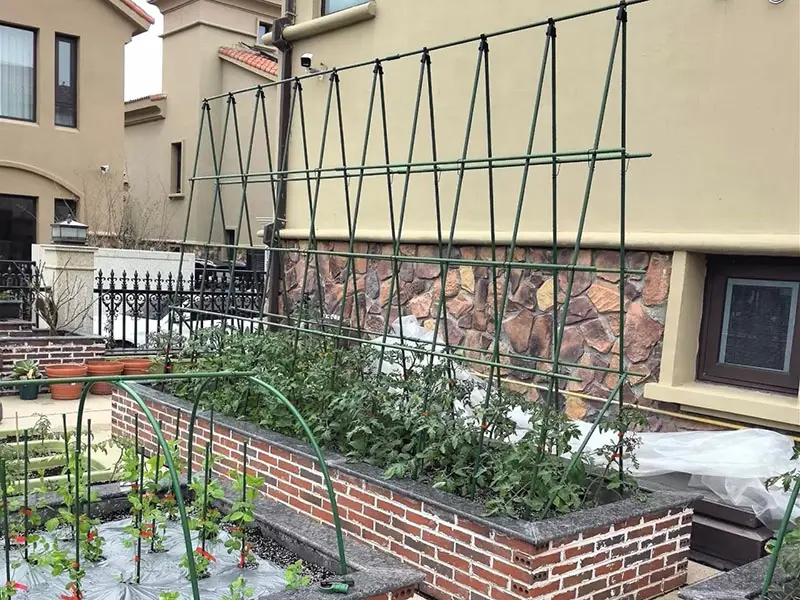
Essential Tips for Effective Garden Support
Gardening is a rewarding hobby that brings beauty and bounty to your home. However, to maximize your garden's potential, providing proper support for your plants is essential. Whether you're cultivating climbing vegetables or ornamental flowers, using the right garden supports can make a significant difference. In this article, we'll explore effective tips for garden support and how they can benefit your green oasis.
Garden supportsare tools or structures that help plants grow upright, ensuring they receive adequate sunlight and air circulation. These supports are particularly important for plants with weak stems or those that bear heavy fruits. Common types of Garden Supports include stakes, cages, and trellises.
The Role of Garden Supports in Plant Health
Garden supports play a crucial role in promoting plant health by preventing physical stress. When plants have adequate support, they are less likely to experience stem breakage, which can lead to pest and disease entry points. Additionally, supports help maintain proper airflow around the plant, reducing the risk of fungal diseases.
Diverse Types of Garden Supports
There is a wide array of garden supports to choose from, each suited for different plant types and gardening styles. Stakes, trellises, cages, and arches are just a few examples. Understanding the specific needs of your plants will guide you in selecting the most appropriate support structure. For instance, tomatoes often benefit from sturdy cages, while climbing roses thrive on trellises.
Materials Used in Garden Supports
The materials used for garden supports can significantly influence their durability and aesthetic appeal. Wooden stakes and trellises offer a natural look and blend seamlessly into gardens, while metal supports provide strength and longevity. Plastic options are lightweight and versatile, making them a popular choice for novice gardeners. Consider your garden's environment and aesthetic when selecting materials.
The Importance of Garden Stakes
Garden stakes are one of the simplest and most versatile forms of plant support. They provide stability and prevent plants from bending or breaking under their weight or in strong winds. Stakes are ideal for single-stem plants such as tomatoes, peppers, and sunflowers. When choosing stakes, consider the material; wooden, bamboo, and metal stakes are popular options, each with its own benefits.
Choosing the Right Material for Stakes
The material of your garden stakes can influence their effectiveness and longevity. Wooden stakes are biodegradable and blend well with natural settings. Bamboo stakes are lightweight yet sturdy, making them ideal for temporary support. Metal stakes, while more expensive, offer unmatched durability and can be reused season after season.
Proper Placement of Garden Stakes
Correct placement of garden stakes is crucial for maximizing their support potential. Position stakes close to the plant's stem without disrupting root systems. This proximity provides immediate support and minimizes the risk of damage during installation. Regularly adjust the ties as the plant grows to prevent constriction and ensure continuous support.
Maintenance and Longevity of Garden Stakes
To extend the life of your garden stakes, regular maintenance is key. Inspect them for signs of rot, rust, or damage, especially after extreme weather. Wooden stakes may need periodic replacement due to decay, while metal stakes might require rust prevention treatments. Proper care ensures that your stakes remain effective and reliable support structures.
Utilizing Plant Trellises
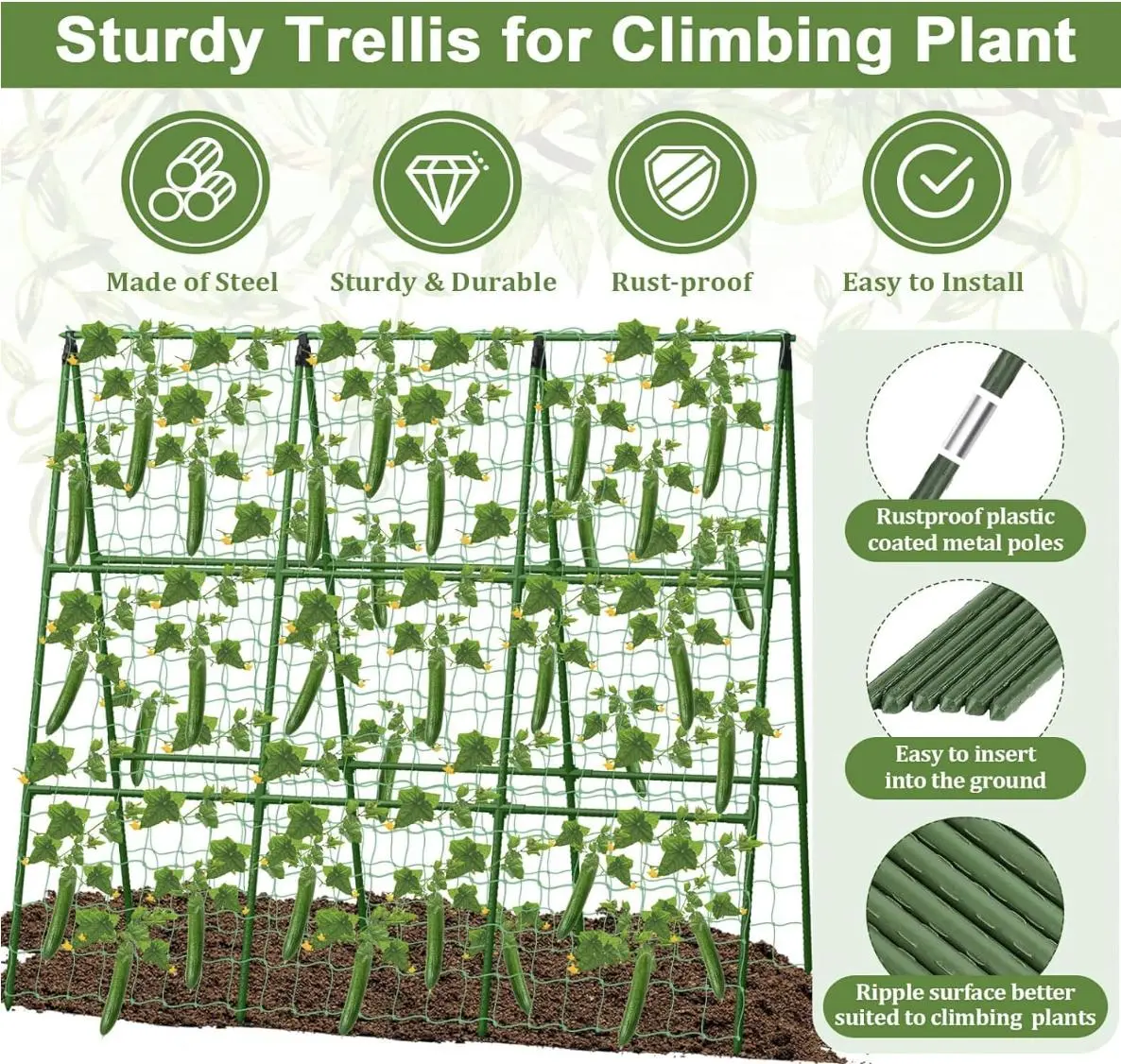
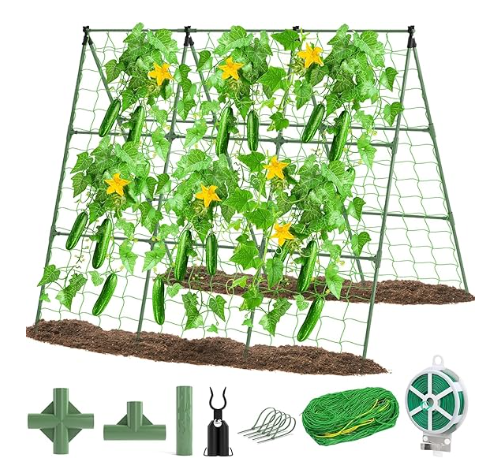
Trellises are excellent for supporting climbing plants like peas, beans, and cucumbers. They offer a vertical growing space, allowing plants to spread out and access more sunlight. Trellises can be made from various materials, including wood, metal, and plastic. Choose a trellis that suits your garden's aesthetic and the specific needs of your plants.
Benefits of Vertical Gardening with Trellises
Vertical gardening with trellises maximizes space, making it ideal for small gardens or urban settings. By encouraging plants to grow upwards, trellises reduce ground clutter and improve accessibility for maintenance and harvesting. This method also enhances air circulation, reducing disease risk and promoting healthier plant growth.
Designing Your Trellis for Optimal Plant Support
When designing a trellis, consider both functionality and aesthetics. Ensure the structure is sturdy enough to support the weight of mature plants and any fruits they bear. Decorative trellises can serve as focal points in the garden, adding visual interest while providing essential support. Tailor the design to your plant's growth habits and your garden's overall style.
Installing and Securing Plants to Trellises
Installing trellises early in the planting process is crucial to prevent root disruption. Anchor them firmly into the ground to withstand wind and plant weight. As plants grow, secure them loosely to the trellis using soft ties or clips, allowing room for expansion. Regularly monitor and adjust ties to avoid constraining the plant's natural growth.
Tips for Implementing Garden Supports
To ensure your garden supports are effective, consider the following tips:
1. Choose the Right Support for Each Plant
Different plants have unique support needs. For instance, while tomatoes thrive with stakes, cucumbers prefer a trellis. Assess the growth habits of your plants and select supports that will accommodate their natural tendencies.
Understanding Plant Growth Patterns
Understanding the growth patterns of your plants is essential for selecting appropriate supports. Climbing plants such as beans or peas naturally seek vertical surfaces, making trellises ideal. Conversely, bushy plants like peppers benefit from cage-like structures that support their broader spread.
Matching Support Structures to Plant Types
Tailor your support structures to the specific requirements of each plant type. For example, delicate flower stems may need thin, unobtrusive stakes, while heavy fruit-bearing plants require robust cages. By matching support structures to plant types, you ensure they provide adequate support without overwhelming the plant.
Adapting to Seasonal Changes
Plants' support needs can change with the seasons. For instance, as plants grow taller in summer, they may require additional support. Stay adaptable and ready to modify or supplement support systems to accommodate seasonal growth variations and ensure continuous support.
2. Install Supports Early
It's best to install garden supports at the time of planting or shortly after. This practice minimizes root disturbance and allows plants to grow around their supports naturally. Waiting too long can damage roots and hinder plant development.
Timing for Installing Garden Supports
The timing of support installation is critical to avoid disrupting plant roots. Install supports at planting time or within the first few weeks of growth to integrate them seamlessly into the garden. Early installation also helps plants acclimate to the support structure as they develop.
Minimizing Root Disturbance During Installation
When installing supports, take care to minimize root disturbance. Use gentle methods to insert stakes or position cages without damaging the root systems. This careful approach ensures plant health and promotes steady growth throughout the season.
Integrating Supports with Plant Growth
Integrating supports with plant growth involves anticipating how plants will develop and positioning supports accordingly. This foresight prevents the need for later adjustments that could stress plants. Consider plant maturity and future growth when planning support placement.
3. Secure Plants Gently
When tying plants to supports, use soft materials like garden twine or cloth strips to avoid damaging stems. Tie the plant loosely to allow for growth and movement. Regularly check ties to ensure they aren't cutting into the plant as it grows.
Selecting the Right Tying Materials
Choosing the right materials for securing plants is crucial to avoid damaging delicate stems. Soft, flexible materials like twine, cloth strips, or specialized plant ties are gentle on plants while providing necessary support. Avoid harsh materials like wire that can cut into plant tissues.
Techniques for Tying Plants to Supports
Proper tying techniques involve securing plants without constraining their natural movement or growth. Tie plants loosely, allowing room for expansion and flexibility. Regularly adjust ties as plants grow to prevent constriction and ensure continuous support.
Monitoring and Adjusting Ties
Regular monitoring of ties is essential to prevent them from cutting into growing stems. As plants develop, adjust ties to accommodate growth and ensure they remain effective without causing damage. Consistent checks and adjustments keep plants healthy and well-supported.
4. Consider the Height of Your Supports
Ensure that your supports are tall enough to accommodate the mature height of your plants. Tall plants like sunflowers and climbing beans require taller supports to keep them upright throughout the growing season.
Planning for Plant Maturity
Plan support heights based on the expected maturity of your plants. Anticipate the full height of plants at peak growth and choose supports that can accommodate this size. Proper planning ensures supports remain effective throughout the plant's life cycle.
Adjusting Support Heights as Needed
Plants may exceed initial growth expectations, necessitating adjustments to support height. Be prepared to extend or replace supports as plants grow taller. Flexibility in support height helps accommodate unexpected growth and maintains plant stability.
Selecting Adjustable Support Systems
Consider using adjustable support systems that can be modified as plants grow. These systems offer versatility and can adapt to changing plant sizes, ensuring continuous support without needing complete replacements.
5. Maintain and Adjust Supports
Regularly inspect your garden supports for stability and effectiveness. Adjust ties and reposition stakes or trellises as needed to accommodate growing plants. Maintenance prevents plants from becoming stressed or damaged.
Routine Inspection and Maintenance
Routine inspections are vital for identifying issues with garden supports early. Check for stability, signs of wear, or damage, and address these promptly to maintain support integrity. Regular maintenance ensures supports continue functioning effectively throughout the growing season.
Making Necessary Adjustments
As plants grow, adjustments to supports may be necessary to maintain effectiveness. Reposition stakes, adjust ties, or modify structures to align with plant development. Timely adjustments prevent plant stress and ensure ongoing support.
Preventing Damage Through Proactive Care
Proactive care, such as reinforcing supports before severe weather, helps prevent damage. Anticipating potential problems and addressing them in advance maintains support systems' effectiveness and protects plants from stress or breakage.
Creative Garden Support Ideas
Beyond traditional stakes and trellises, there are numerous creative ways to support your plants:
DIY Garden Supports
Creating your own supports can be a cost-effective and fun way to personalize your garden. Use recycled materials like old ladders, pallets, or branches to construct unique and functional supports.
Upcycling Materials for Garden Supports
Upcycling offers a sustainable approach to garden support. Repurpose items like discarded ladders, old furniture, or scrap wood to create innovative supports. This method reduces waste while adding a personal touch to your garden.
Designing Unique DIY Supports
Designing your own supports allows for creativity and customization. Consider the specific needs of your garden and craft supports that blend functionality with style. Personalized designs enhance your garden's aesthetic while providing essential support.
Balancing Functionality and Aesthetics
When creating DIY supports, balance functionality with aesthetic appeal. Ensure that structures are sturdy and capable of supporting plant growth while complementing your garden's overall design. A well-thought-out design enhances both form and function.
Arbors and Obelisks
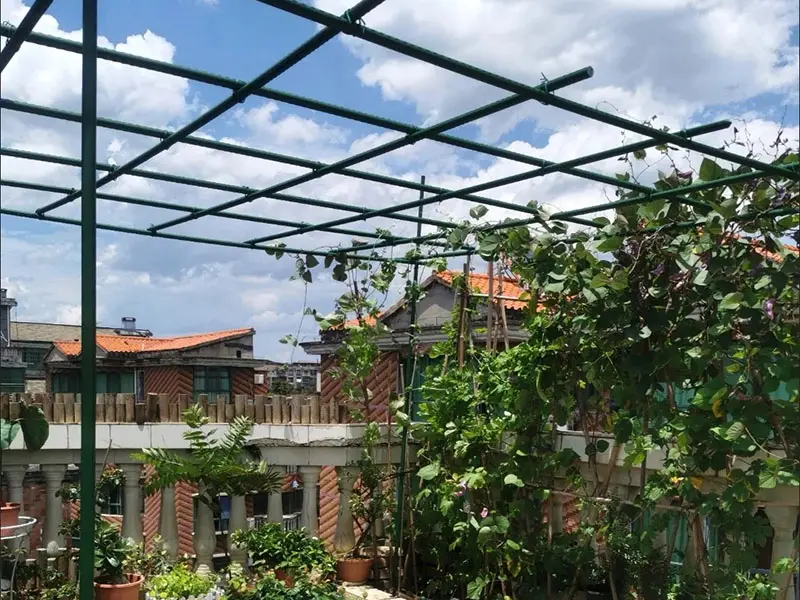
For a decorative touch, consider using arbors or obelisks as garden supports. These structures add height and interest to your garden while providing a sturdy framework for climbing plants.
Enhancing Garden Design with Arbors
Arbors serve as striking focal points in gardens. These structures not only support climbing plants but also enhance garden design by adding vertical interest. Choose arbors that complement your garden's style and create a cohesive visual appeal.
Obelisks as Functional Art
Obelisks offer a blend of functionality and artistic design. These tall, slender structures support climbing plants while serving as standalone art pieces in the garden. Select obelisks that match your aesthetic preferences and plant support needs.
Incorporating Arbors and Obelisks into Garden Layouts
Incorporate arbors and obelisks into your garden layout to maximize their impact. Position them strategically to guide plant growth and create visual pathways. Thoughtful placement enhances both plant support and garden design.
Companion Planting for Support
Certain plants can provide natural support for one another. For example, tall corn can support climbing beans, while sunflowers can offer a sturdy framework for vine crops. Plan your garden layout to take advantage of these natural partnerships.
Understanding Companion Plant Dynamics
Understanding the dynamics of companion planting involves recognizing how different plants can support each other. Pairing plants with complementary growth habits maximizes space and enhances overall garden health. Knowledge of plant interactions guides effective companion planting.
Designing Garden Layouts with Companion Plants
Design garden layouts with companion plants to optimize space and support. Consider plant heights, growth patterns, and support needs when planning placements. Thoughtful designs leverage natural plant partnerships for mutual benefit.
Benefits of Companion Planting for Support
Companion planting offers multiple benefits, including natural support, improved pest control, and enhanced biodiversity. Leveraging these advantages creates a balanced and resilient garden ecosystem. Incorporate companion planting to support plant growth and garden health.
Troubleshooting Common Garden Support Challenges
Even with the best planning, gardeners may encounter challenges with plant supports. Here are some common issues and solutions:
Plants Outgrowing Supports
If your plants outgrow their supports, consider adding extensions or replacing them with taller options. Prompt action prevents plants from toppling over and becoming damaged.
Recognizing Signs of Overgrowth
Recognizing signs of overgrowth involves monitoring plant height and support effectiveness. Plants that strain against their supports or show signs of instability may require additional support. Early detection allows for timely interventions.
Implementing Solutions for Overgrowth
Implement solutions for overgrowth by extending existing supports or introducing taller alternatives. Consider modular systems that allow for easy adjustments as plants grow. Prompt solutions maintain plant stability and health.
Preventing Future Overgrowth Issues
Prevent future overgrowth issues by selecting supports with growth potential in mind. Anticipate plant size and choose adaptable systems that accommodate unexpected growth. Proactive planning prevents future challenges.
Inadequate Support Stability
If supports wobble or lean, reinforce them by driving stakes deeper into the ground or using additional anchors. This ensures they remain stable even in adverse weather conditions.
Identifying Stability Issues
Identifying stability issues involves checking for wobbling or leaning supports. Regular inspections help detect problems early, allowing for timely corrective measures. Awareness of potential stability challenges guides proactive support management.
Reinforcing Supports for Stability
Reinforce supports by securing them more deeply into the ground or adding stabilizing anchors. Techniques like cross-bracing enhance stability, ensuring supports withstand adverse conditions. Reinforcement strategies maintain support effectiveness.
Weatherproofing Support Structures
Weatherproofing support structures involves preparing them for adverse conditions. Use materials that resist rot and rust, and secure supports to withstand strong winds or heavy rain. Weatherproofing ensures long-term stability and reliability.
Broken or Damaged Supports
Regularly inspect supports for wear and tear. Replace broken or damaged components promptly to maintain the integrity of your plant support system.
Conducting Routine Inspections
Conduct routine inspections to identify broken or damaged supports. Regular checks help detect issues before they compromise plant stability. Consistent monitoring is essential for maintaining effective support systems.
Repairing or Replacing Damaged Supports
Repair or replace damaged supports promptly to prevent further issues. Temporary fixes may suffice in emergencies, but consider long-term solutions for sustained support. Prompt repairs maintain system integrity and plant health.
Preventative Measures for Support Longevity
Implement preventative measures to extend support longevity, such as regular maintenance and using durable materials. Protect supports from environmental stressors to minimize wear and tear. Preventative care enhances support durability and garden productivity.
Conclusion
Providing effective garden support is crucial for the health and productivity of your plants. By choosing the right supports, installing them properly, and maintaining them regularly, you can create a thriving garden that stands tall throughout the growing season. Whether you opt for traditional stakes, elegant trellises, or creative DIY solutions, your plants will benefit from the added structure and security. Happy gardening!