

The Rise of Garden Support Systems: Innovations Transforming Modern Gardening
Introduction
In recent years, gardening has evolved from a simple hobby to a lifestyle embraced by eco-conscious homeowners, urban dwellers, and sustainability advocates. Central to this transformation is the growing demand for Garden Support systems—tools and technologies designed to enhance plant health, optimize space, and simplify maintenance. This article explores the latest trends, products, and strategies in garden support, offering insights for enthusiasts looking to elevate their green spaces.
The Growing Importance of Garden Support
As urbanization reduces backyard spaces and climate change challenges traditional gardening practices, gardeners are turning to innovative support systems to maximize yields and minimize effort. According to a 2023 report by Gardening Insights Magazine, sales of garden support products—including trellises, stakes, and vertical planters—have surged by 35% year-over-year, reflecting a shift toward smarter, space-efficient gardening.
Key Drivers of the Trend:
Space Constraints: Urban gardeners rely on vertical supports and compact designs to grow herbs, vegetables, and flowers in balconies or small yards.
Sustainability Goals: Eco-friendly materials like bamboo stakes and recycled metal grids align with the zero-waste movement.
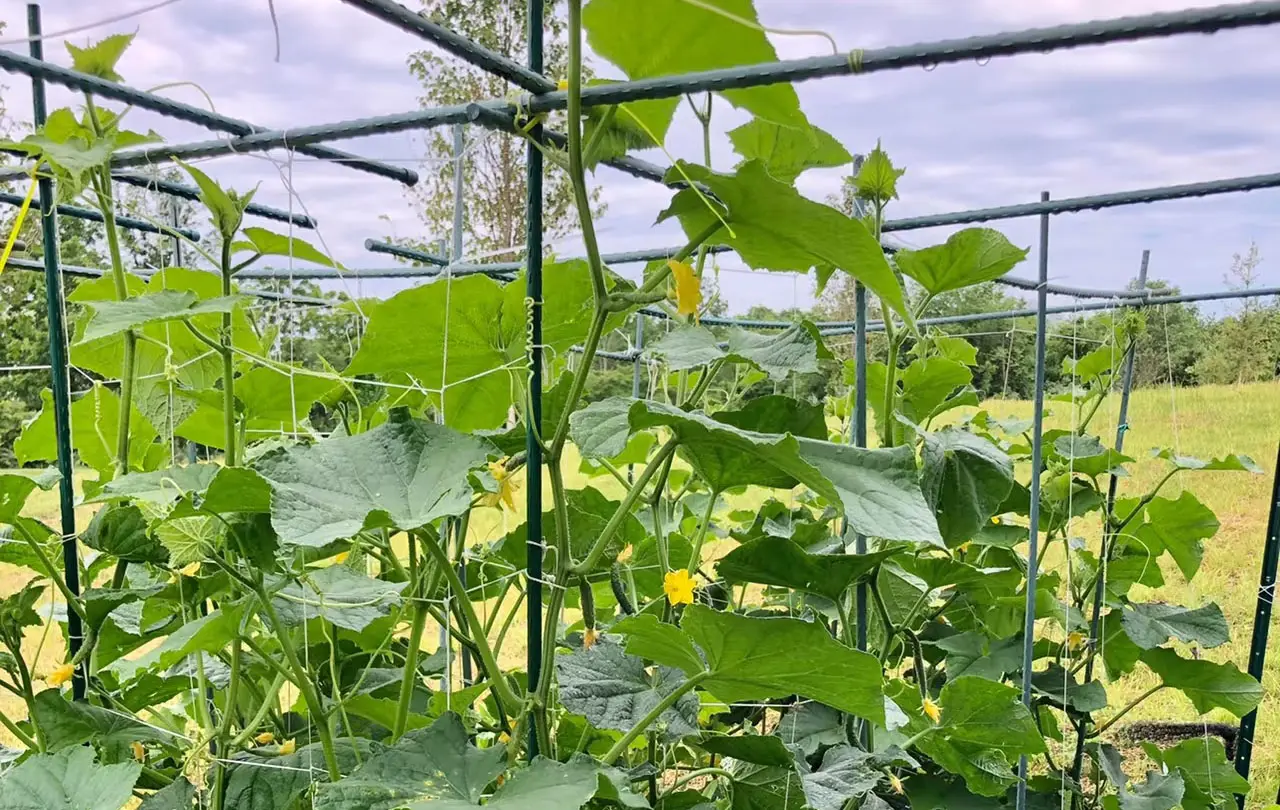
Plant Health Awareness:Proper support prevents disease by improving airflow and reducing soil contact for crops like tomatoes and cucumbers.
Top Garden Support Products Redefining the Market
From high-tech gadgets to timeless tools, here are the most sought-after garden support solutions in 2024:
1. Adjustable Trellis Systems
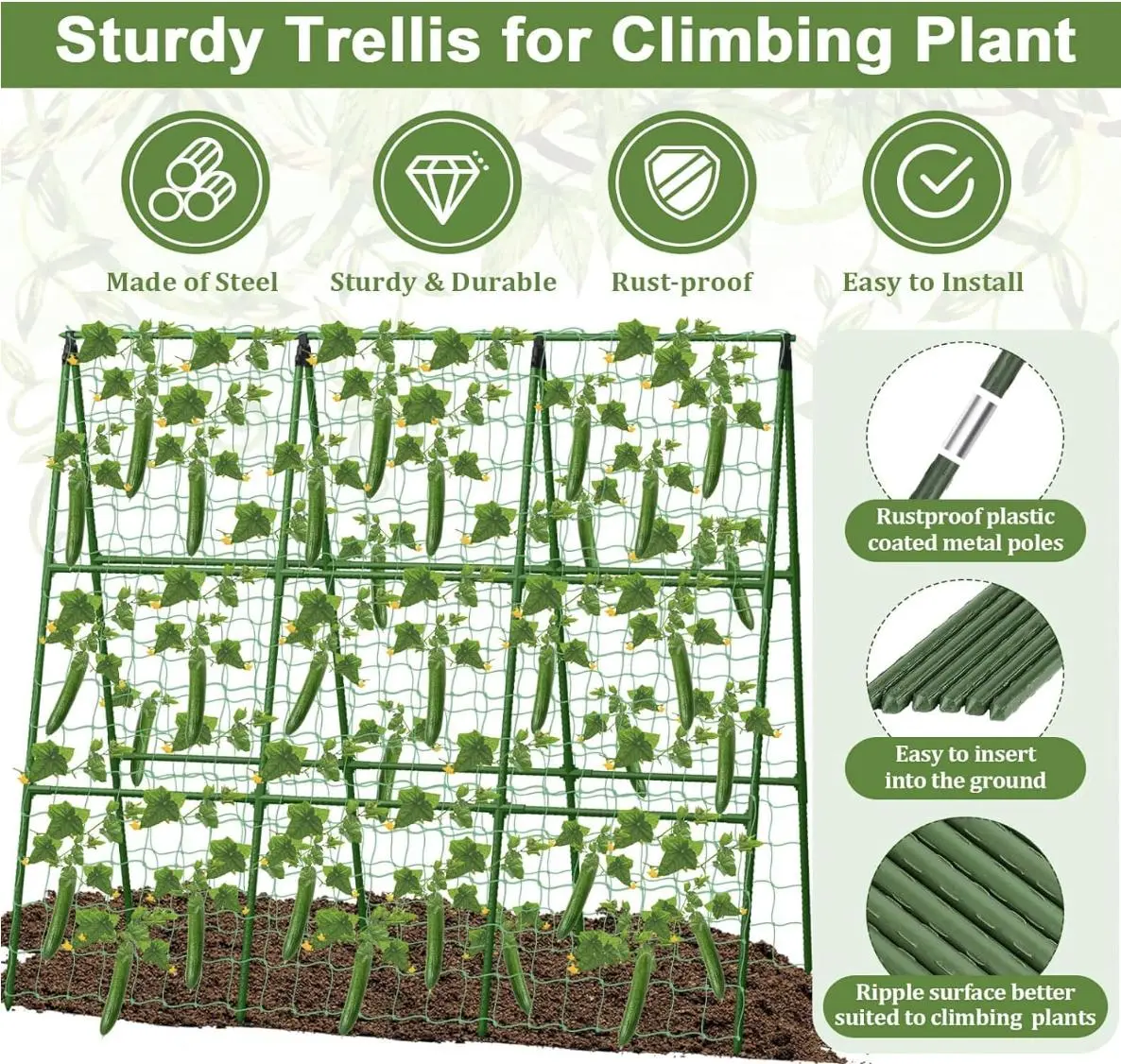
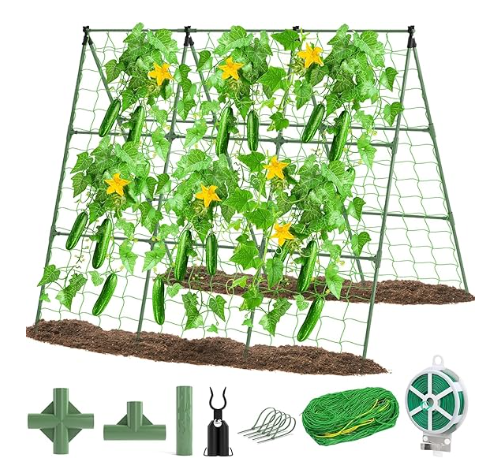
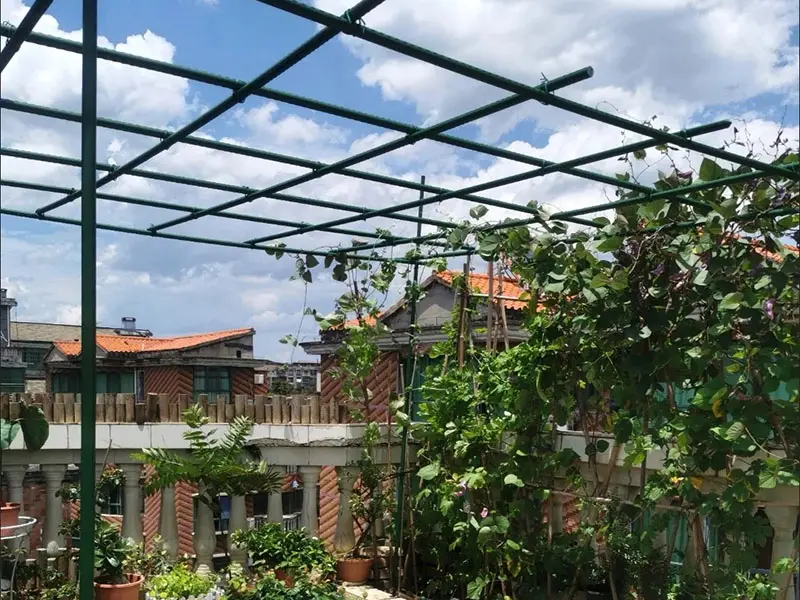
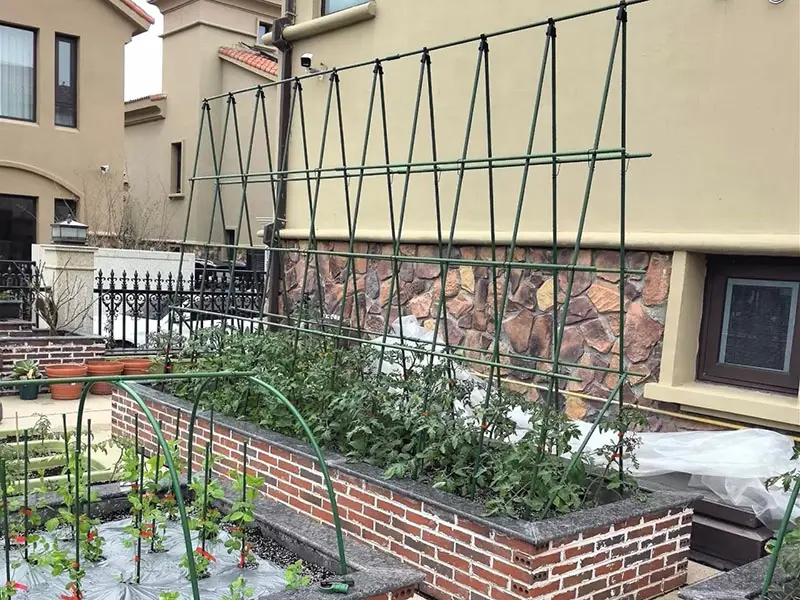
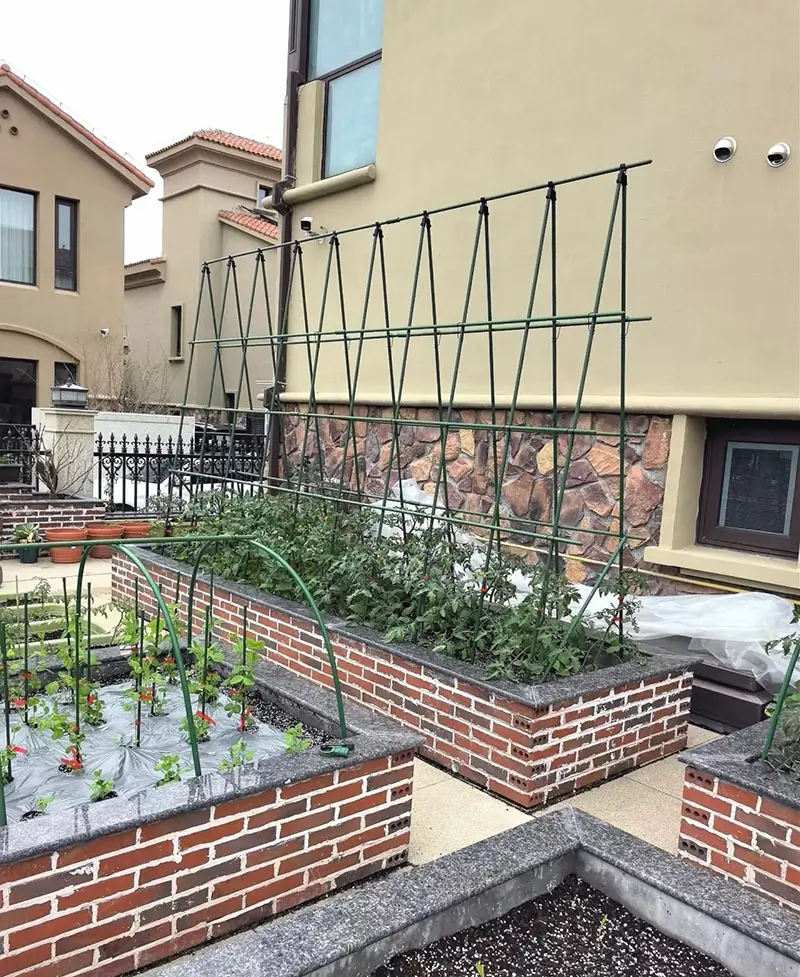
Modular Trellises made from weather-resistant steel or cedar wood are dominating sales. Brands like GreenStalk and Gardeners’ Supply offer customizable designs that adapt to climbing plants like beans, peas, and flowering vines.
Why They Work: These systems save space, add aesthetic appeal, and can be reused across seasons.
2. Smart Plant Stakes
Tech-integrated stakes embedded with soil sensors are gaining traction. Products like Edyn’s Garden Sensor monitor moisture, light, and nutrient levels, sending real-time alerts to users’ smartphones.
User Benefit: Ideal for busy gardeners, these stakes prevent overwatering and underfeeding.
3. Hanging Garden Kits
Hanging planters with built-in irrigation systems, such as Click & Grow’s Smart Garden, allow users to grow herbs and salads indoors year-round. These kits often include LED grow lights and automated watering schedules.
Sustainability Angle: They reduce water waste by up to 95% compared to traditional methods.
4. Biodegradable Plant Ties
Eco-conscious brands like Bamboo Garden Co. are replacing plastic ties with compostable alternatives made from jute or coconut fiber. These gentle ties prevent damage to stems while decomposing naturally.
DIY Garden Support Ideas for Budget-Friendly Solutions
Not all garden support needs to be store-bought. Creative DIY projects can provide effective, low-cost alternatives:
Repurposed Materials: Use old ladders as vertical stands for potted plants or turn wooden pallets into rustic trellises.
Natural Supports: Plant sunflowers or corn stalks to act as living supports for lighter climbers like peas.
Upcycled Containers: Transform plastic bottles into self-watering stakes by poking holes in the caps and burying them near plant roots.
Pro Tip: Share your DIY projects on social media to inspire others—and boost engagement for your gardening blog or online store!
The Role of Technology in Garden Support
Advancements in agritech are revolutionizing how gardeners care for their plants:
AI-Powered Apps: Tools like Planta and Gardenize offer personalized care reminders and diagnose plant diseases via photo uploads.
Automated Irrigation: Drip systems paired with smart timers ensure precise watering, critical for delicate seedlings.
3D-Printed Supports: Customizable 3D-printed plant clips and brackets are emerging, tailored to specific stem sizes and growth patterns.
Industry Insight: A 2024 study by AgriTech Analytics predicts that the smart gardening market will reach $4.5 billion by 2027, driven by tech-savvy millennials and Gen Z consumers.
Sustainable Practices in Garden Support
Eco-friendly gardening isn’t just a trend—it’s a necessity. Here’s how garden support systems contribute to sustainability:
Reduced Plastic Use: Opting for metal or wooden stakes over plastic lowers environmental impact.
Water Conservation: Drip irrigation supports and self-watering planters minimize water usage.
Biodiversity Boost: Vertical gardens attract pollinators like bees and butterflies, enhancing local ecosystems.
Brand Spotlight: Companies like Terracottem and EcoGarden are leading the charge with carbon-neutral production and biodegradable packaging.
Expert Tips for Choosing the Right Garden Support
We spoke to horticulturist Dr. Emily Green for actionable advice:
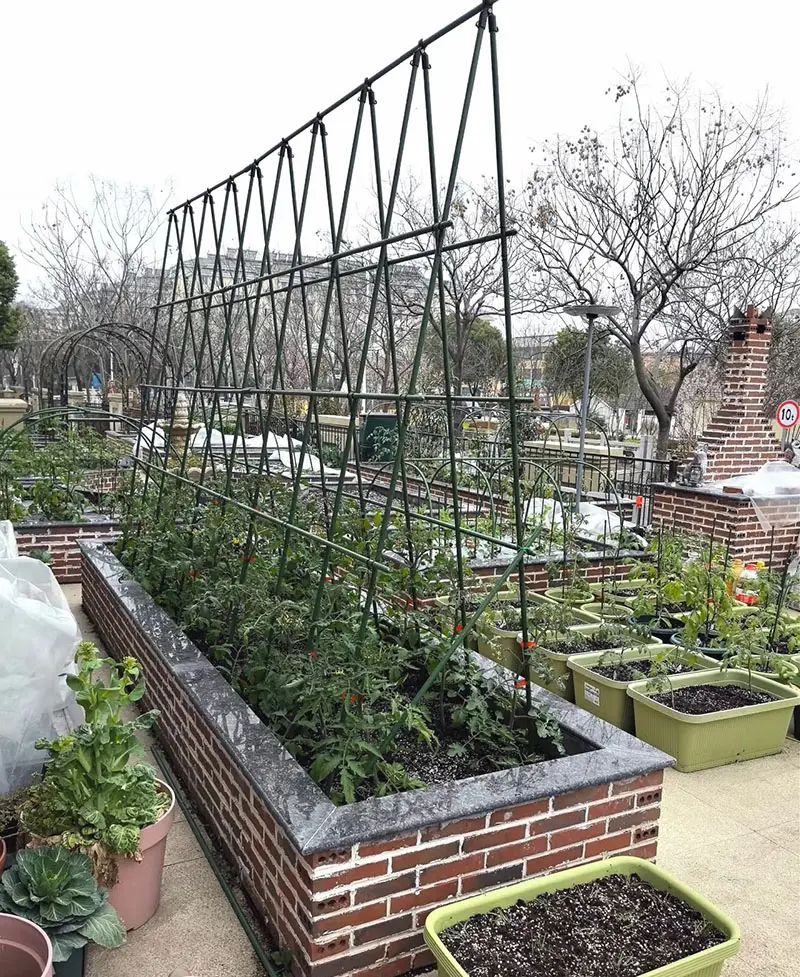
Match Support to Plant Type: Heavy fruiting plants (e.g., tomatoes) need sturdy cages, while lightweight climbers (e.g., ivy) thrive on flexible nets.
Prioritize Durability: Invest in rust-proof materials for longevity, especially in humid climates.
Plan for Growth: Install supports early to avoid root disturbance later.
The Future of Garden Support
Looking ahead, the integration of AI, renewable materials, and modular designs will shape the next generation of garden support systems. Innovations like solar-powered trellises with built-in lighting and app-controlled hydroponic towers are already in prototype stages.
Final Thought: Whether you’re a novice gardener or a seasoned pro, embracing modern garden support solutions can transform your green space into a thriving, sustainable oasis.