

The Rise of Planting Boxes: Revolutionizing Urban Gardening and Sustainable Living
In recent years, the concept of urban gardening has exploded in popularity, driven by a growing desire for sustainability, self-sufficiency, and a deeper connection to nature. At the heart of this movement lies a simple yet transformative tool: the Planting Box. Also known as raised Garden Beds, grow boxes, or modular planters, these versatile containers are reshaping how people grow food and ornamental plants in cities, suburbs, and even small apartments. This article explores why planting boxes are trending, their benefits for eco-conscious consumers, and how they’re inspiring a new wave of green-thumbed enthusiasts worldwide.
What is a Planting Box?
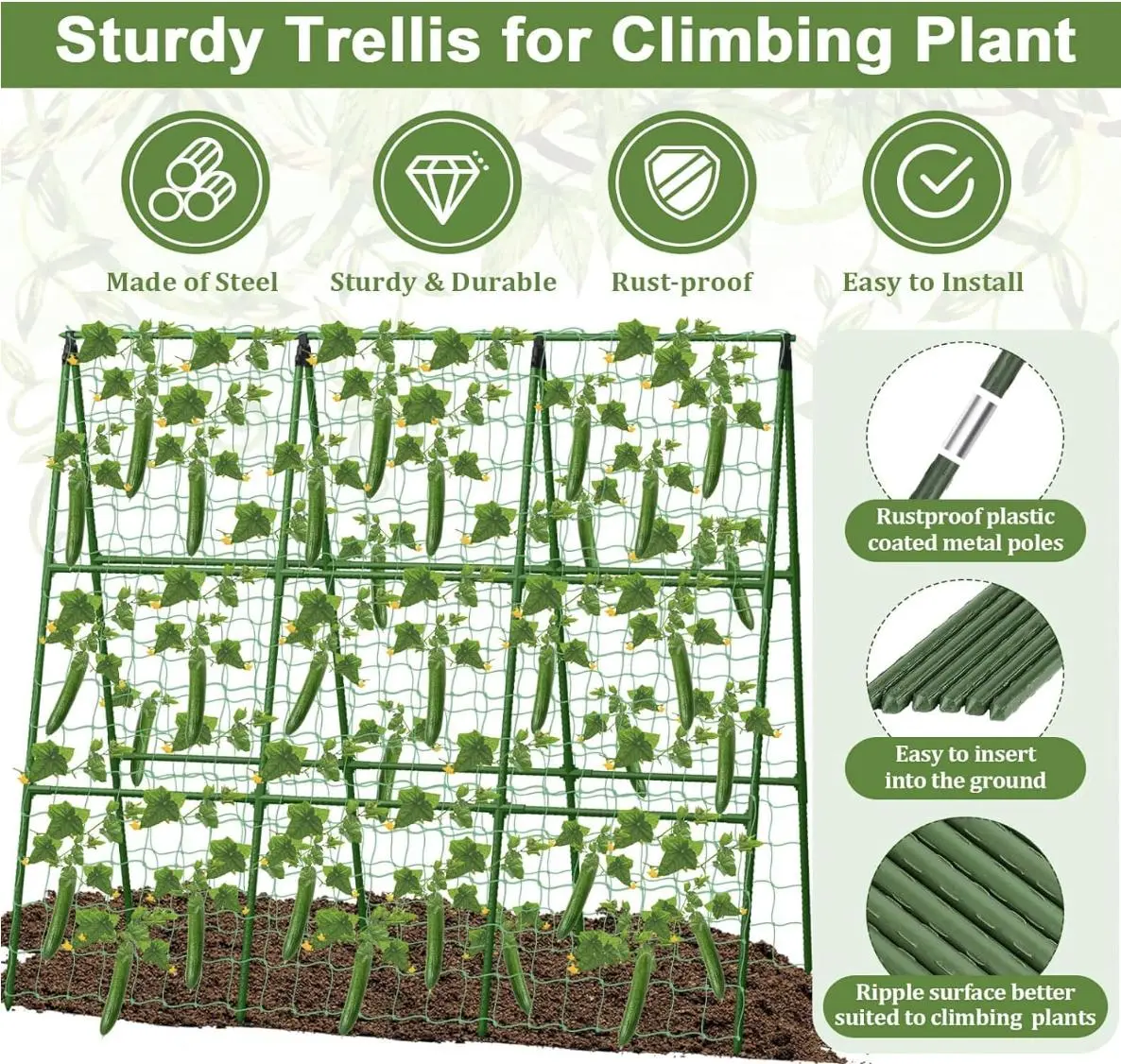
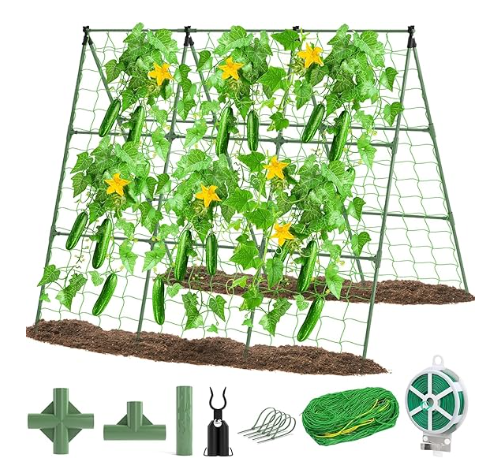
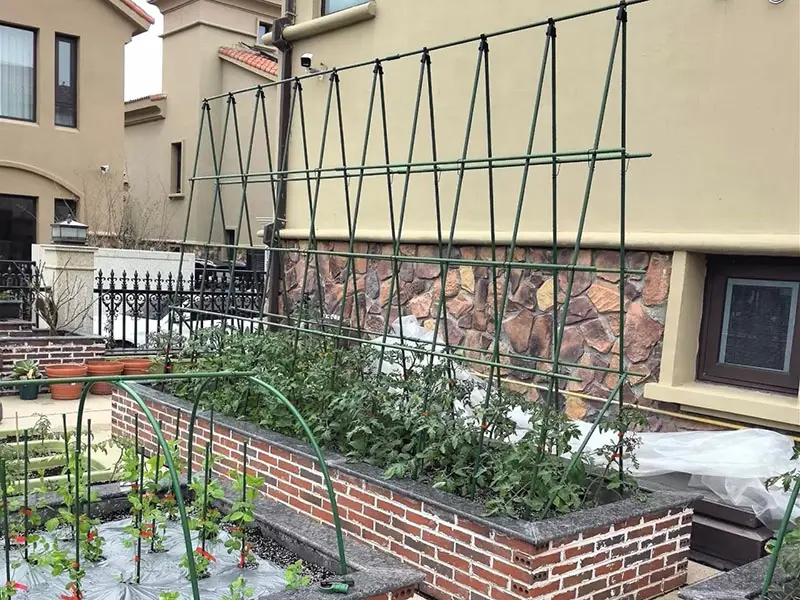
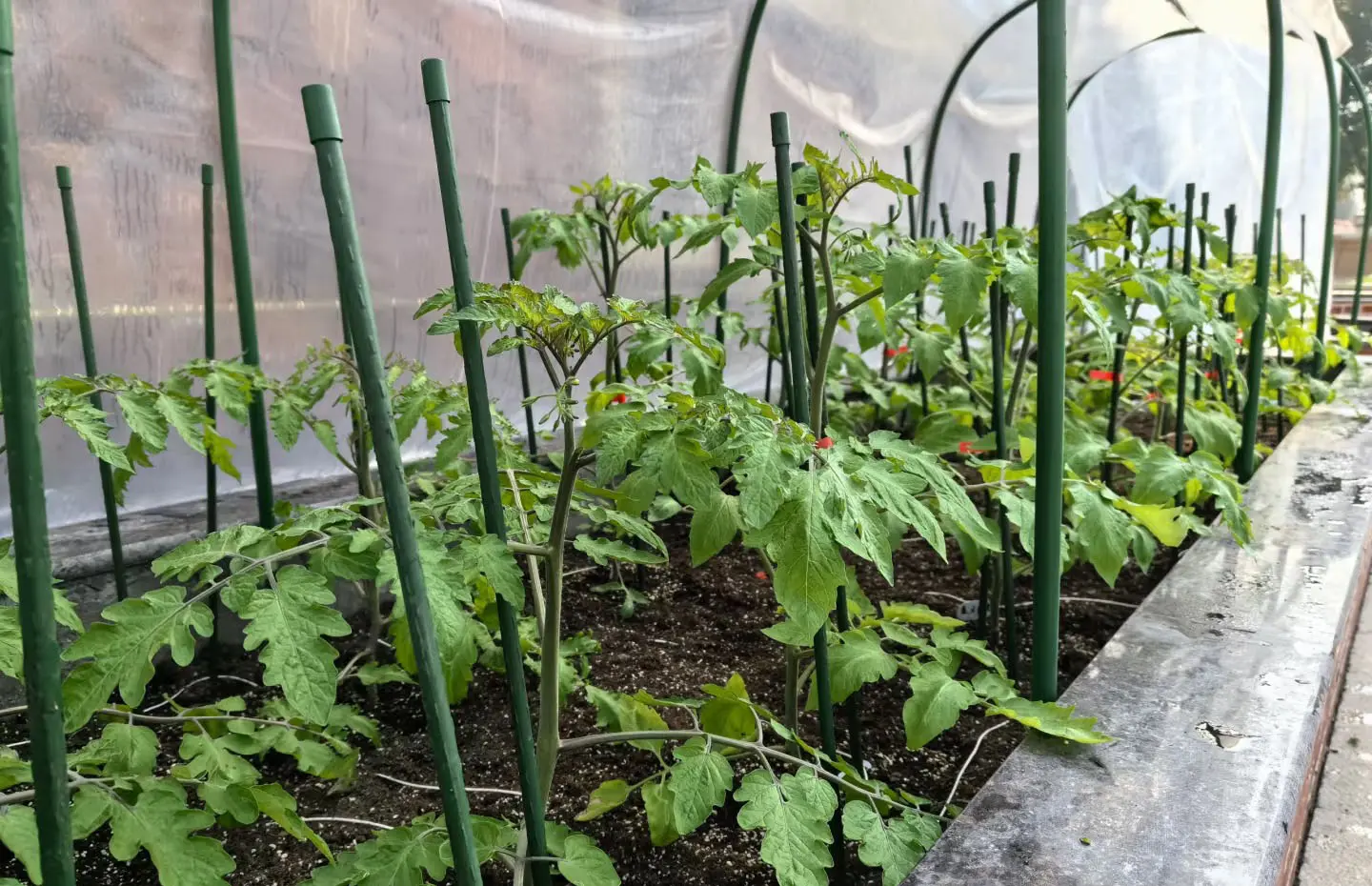
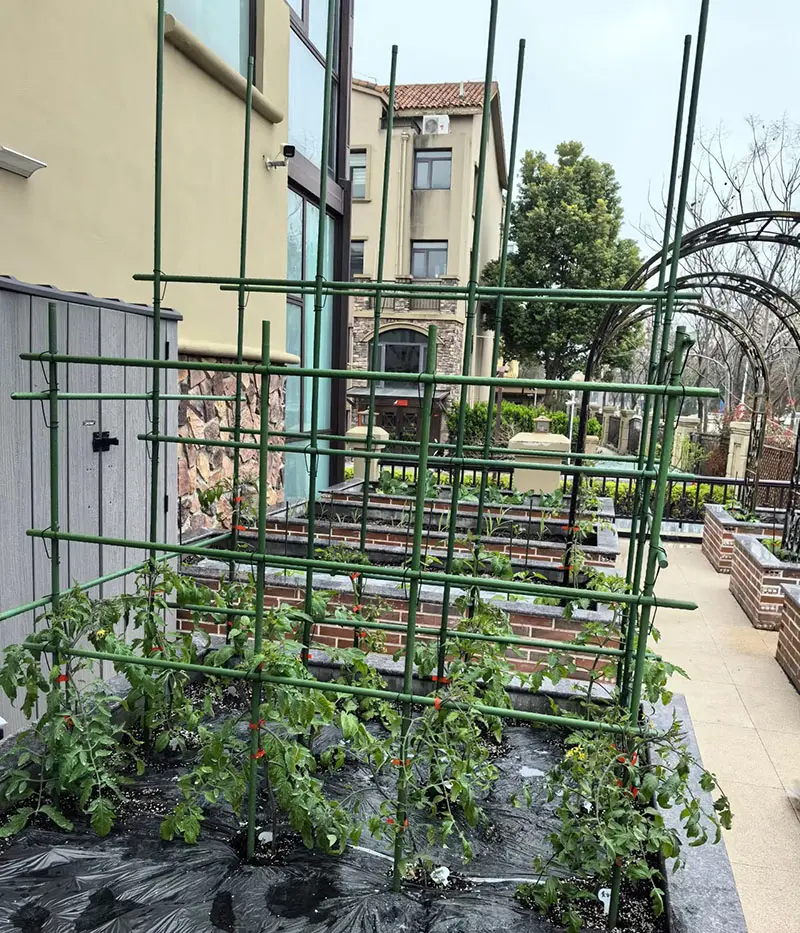
A planting box is a contained gardening system designed to hold soil and plants, typically elevated above the ground. Made from materials like wood, metal, recycled plastic, or fabric, these boxes come in various sizes and styles to suit different spaces—from balcony-friendly mini planters to sprawling backyard setups. Unlike traditional in-ground gardens, planting boxes offer controlled environments for roots, improved drainage, and easier maintenance. Many modern designs also incorporate features like built-in trellises, self-watering systems, and modular stacking options.
Why Planting Boxes Are Gaining Momentum
The surge in demand for planting boxes is no accident. Here’s why they’ve become a cornerstone of modern gardening:
1. Space Efficiency for Urban Dwellers
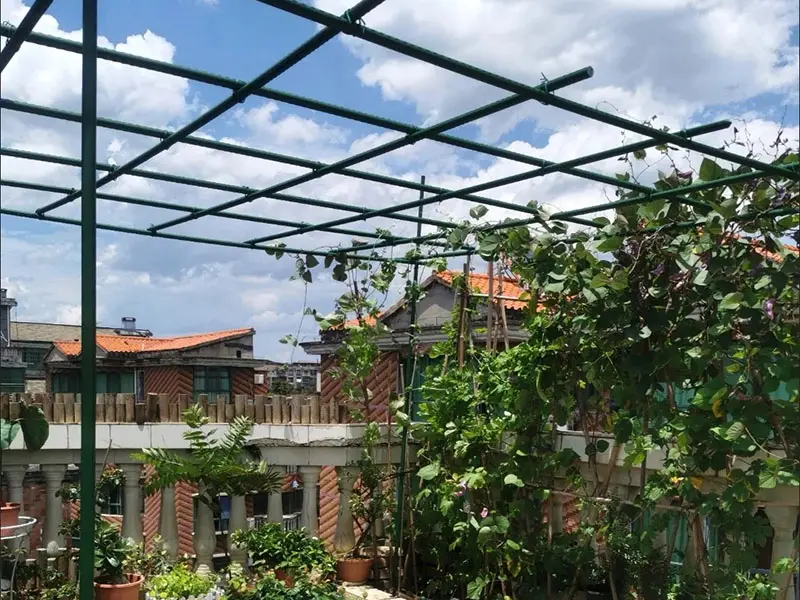
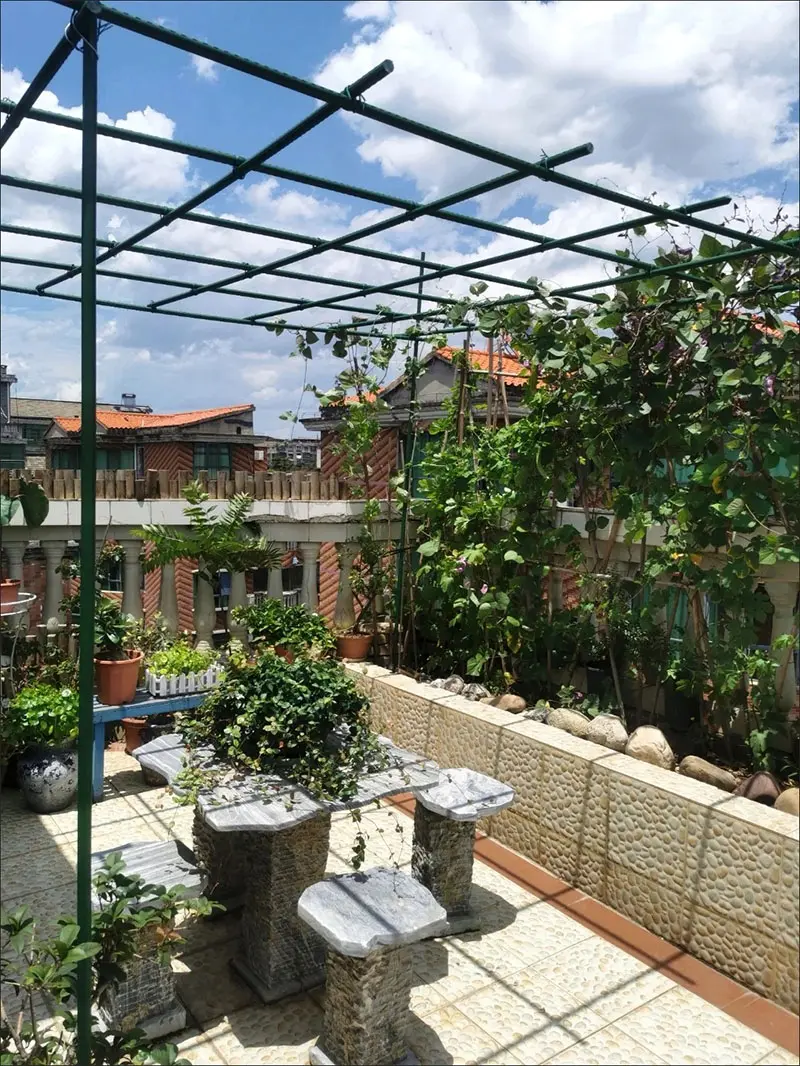
With over 55% of the global population living in cities, space is a luxury. Planting boxes enable anyone—whether in a high-rise apartment or a townhouse with a tiny yard—to cultivate herbs, vegetables, or flowers. Vertical planting boxes, for example, maximize vertical space, while compact designs fit neatly on windowsills or rooftops.
2. Improved Soil Quality and Plant Health
Urban soil is often contaminated or nutrient-poor. Planting boxes allow gardeners to start fresh with high-quality, organic soil mixes tailored to their crops. Better soil means healthier plants, higher yields, and fewer pests. The elevated design also reduces strain on the back and knees, making gardening accessible to all ages.
3. Sustainability and Reduced Waste
As consumers prioritize eco-friendly lifestyles, planting boxes align perfectly with zero-waste goals. Growing food at home cuts down on plastic packaging and carbon emissions from transportation. Many brands now offer boxes made from recycled materials or sustainably sourced wood, appealing to environmentally conscious buyers.
4. Year-Round Gardening Possibilities
With innovations like cold frames or greenhouse covers, planting boxes extend growing seasons. Urban farmers in colder climates can grow kale, carrots, or herbs well into winter, while self-watering systems ensure plants thrive during busy summers.
5. Mental Health and Community Building
Studies show that gardening reduces stress and improves mental well-being. Planting boxes create opportunities for individuals and families to unplug and engage in a therapeutic hobby. Community gardens using shared planting boxes also foster social connections and educate neighborhoods about sustainable practices.
Key Trends Driving the Planting Box Market
The planting box industry is evolving rapidly, fueled by innovation and shifting consumer priorities:
Smart Gardening Tech Integration
Tech-savvy gardeners are adopting "smart" planting boxes equipped with sensors to monitor moisture, light, and nutrient levels. Brands like Click & Grow and Aerogarden offer WiFi-connected systems that send alerts to smartphones, ensuring even novice gardeners succeed.
Modular and Customizable Designs
Modular planting boxes let users expand or reconfigure their gardens as needs change. Companies like GreenStalk and Vego Garden offer stackable tiers and interchangeable components, catering to DIY enthusiasts and design-focused consumers.
Focus on Aesthetics
Gone are the days of purely utilitarian garden beds. Modern planting boxes double as decorative pieces, with sleek metal finishes, geometric shapes, and customizable colors. Brands like Vegega and Birdies combine functionality with Scandinavian-inspired designs that complement outdoor living spaces.
Edible Landscaping
Homeowners are replacing ornamental lawns with edible gardens using stylish planting boxes. Fruit trees, berry bushes, and pollinator-friendly flowers are planted in raised beds to create visually appealing, productive landscapes.
How to Choose the Right Planting Box
With countless options available, selecting the ideal planting box depends on several factors:
Space and Location: Measure your available area and assess sunlight exposure. For balconies, lightweight fabric or plastic boxes are ideal. Larger yards can accommodate wooden or metal raised beds.
Material:
Wood: Naturally durable (e.g., cedar, redwood) but may require maintenance.
Metal: Long-lasting and sleek but can heat up in direct sun.
Fabric: Portable and affordable but less durable.
Drainage and Depth: Ensure adequate drainage holes and soil depth for root growth (12+ inches for vegetables).
Budget: Prices range from $30 for basic models to $500+ for high-end smart systems.
Success Stories: Planting Boxes in Action
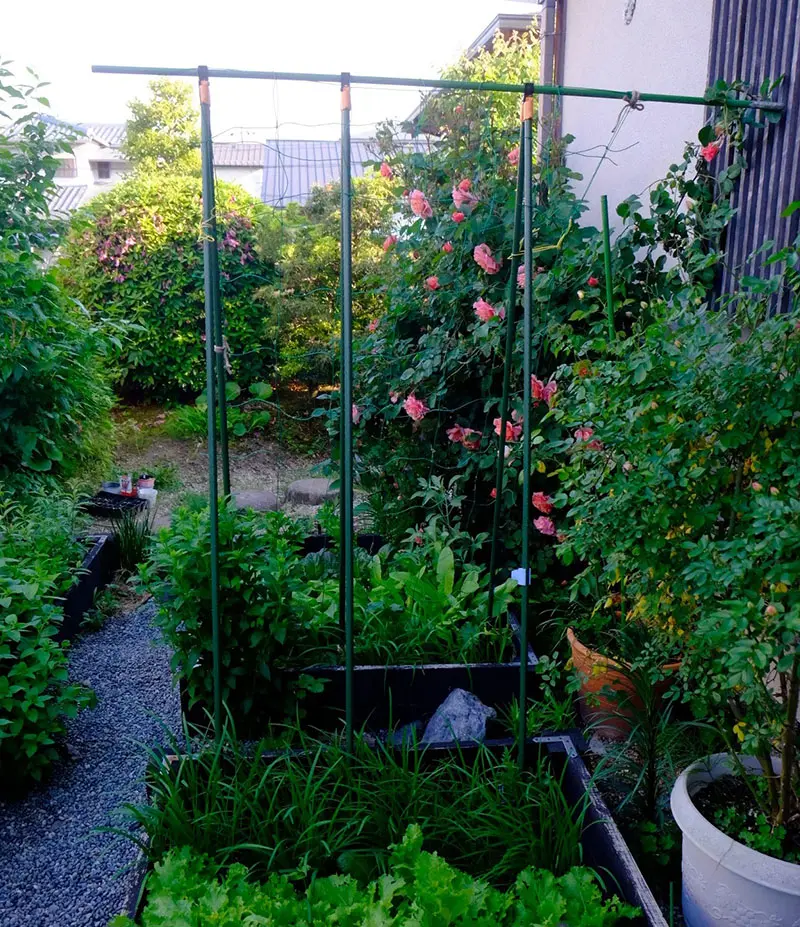
Urban Oasis in Tokyo: A Tokyo resident transformed a 10-square-meter rooftop into a thriving vegetable garden using stacking planting boxes, yielding enough produce to reduce grocery bills by 40%.
School Gardens: Schools in California use planting boxes to teach students about nutrition and biology, with kids growing (and eating!) veggies like spinach and cherry tomatoes.
Restaurant Partnerships: Farm-to-table restaurants in New York partner with urban growers using planting boxes to source hyper-local ingredients.
The Future of Planting Boxes
As climate change and food security concerns grow, planting boxes are poised to play a critical role in resilient urban agriculture. Innovations to watch include:
Solar-powered irrigation systems
AI-driven gardening assistants
Modular "plug-and-play" kits for beginners
Collaborations with architects to integrate planting boxes into building designs
The Rise of Planting Boxes: Revolutionizing Urban Gardening and Sustainable Living
In recent years, the concept of urban gardening has exploded in popularity, driven by a growing desire for sustainability, self-sufficiency, and a deeper connection to nature. At the heart of this movement lies a simple yet transformative tool: the Planting Box. Also known as raised garden beds, grow boxes, or modular planters, these versatile containers are reshaping how people grow food and ornamental plants in cities, suburbs, and even small apartments. This article explores why planting boxes are trending, their benefits for eco-conscious consumers, and how they’re inspiring a new wave of green-thumbed enthusiasts worldwide.
Conclusion: Join the Planting Box Revolution
Whether you’re a seasoned gardener or a curious beginner, planting boxes offer a practical, sustainable, and rewarding way to reconnect with nature. By investing in a planting box, you’re not just growing plants—you’re cultivating a healthier lifestyle, reducing your environmental footprint, and contributing to a greener future.
Ready to start your journey? Explore our curated collection of planting boxes and discover how easy it is to turn any space into a flourishing garden.