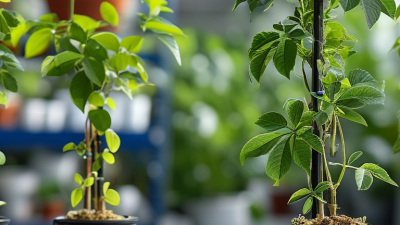
A Plant Brace is a simple support used to stabilize stems, branches, seedlings, and climbing plants. It may look modest, but its purpose is practical. A soft tie and a narrow support can keep a young tomato upright after heavy rain. A brace can also protect a bending houseplant from permanent damage.
Dr. Linda Chalker-Scott, an urban horticulturist and extension specialist, warns, “Staking a tree is like putting a cast on a broken arm.” Her comparison is useful. A Plant Brace should support natural growth, not replace it. The plant still needs flexible movement, sunlight, water, and room for stronger tissues to develop. Tight wires or rigid ties can cut into stems. They may leave scars and restrict circulation. Small details matter.
This guide examines what a Plant Brace is, how it works, and when it becomes necessary. It will also compare common materials, including bamboo, coated metal, plastic clips, and adjustable ties. Each option behaves differently in wet soil, strong wind, and crowded pots.
A brace is not a cure-all.
Sometimes, poor light causes weak growth. Sometimes, root damage is the real problem. Adding support without checking the plant can hide that problem. That is where practical judgment matters. Choose a brace that fits the plant’s size, inspect it regularly, and remove it when the stem can stand safely alone. Garden conditions vary, so even reliable advice deserves careful observation.
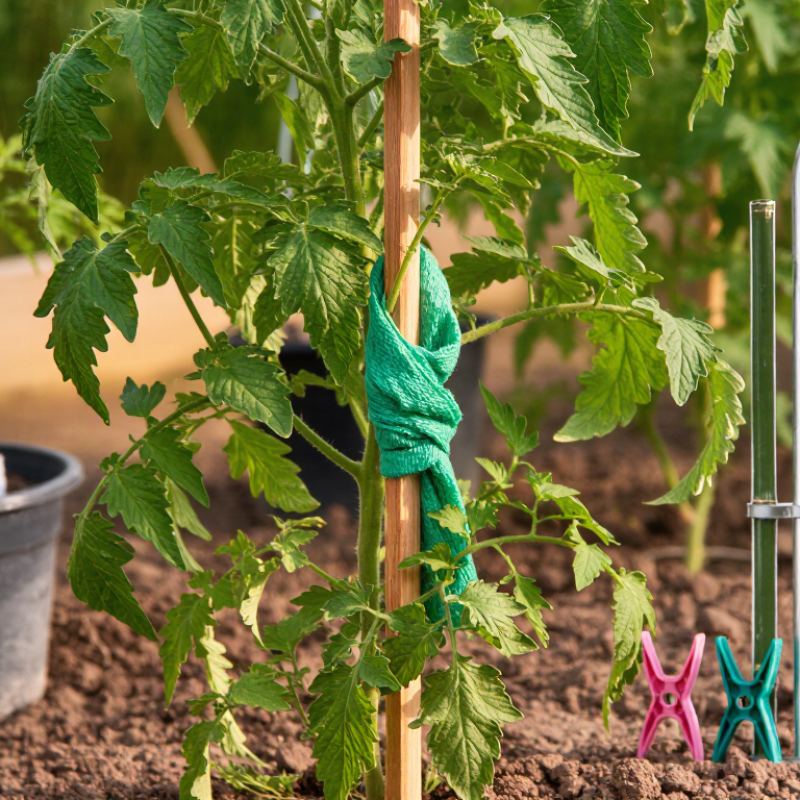
A plant brace is a simple support system that helps a plant remain upright under physical stress. Its basic structure usually includes a stake, frame, anchor, and soft tie. The stake carries vertical weight. The anchor holds the support in soil or inside a growing container. A flexible tie connects the stem to the stake without cutting into the bark. Some braces also use padded collars or adjustable straps for thicker stems.
The design should support the plant, not replace its natural strength. A brace often stands beside a young tree, climbing vegetable, flowering stem, or recently transplanted plant. The support point should sit below a heavy branch or near a weak stem joint. Ties need slight movement. A rigid connection can rub the stem, trap moisture, and create a hidden injury. I have seen gardeners place one tight loop around a stem. It looked secure, but the stem expanded quickly.
Industry data explains why small supports matter. FAOSTAT production records show global vegetable output has remained above one billion tonnes annually in recent years. This scale includes intensive gardens and protected growing systems, where uniform plant structure improves space use. Horticultural guidance from the Royal Horticultural Society also recommends checking ties regularly as stems grow. A brace is not permanent hardware. It needs inspection after rain, strong wind, and rapid growth. The weak point is often overlooked.
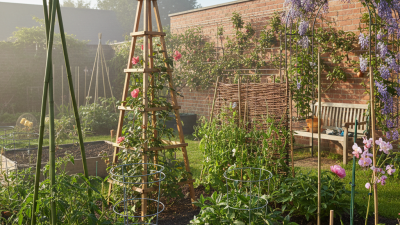
A plant brace supports stems, branches, or young trunks when natural growth becomes unstable. It can prevent bending, splitting, and damage after heavy rain or strong wind. Gardeners often use braces for climbing plants, tall flowers, fruiting branches, and recently transplanted trees. The support should guide the plant, not force it into an unnatural shape. A tight brace may rub the stem and create wounds. That detail is easy to overlook.
Common types include stakes, hoops, trellises, cages, and adjustable branch supports. Stakes usually use bamboo, wood, fiberglass, or coated metal. Bamboo looks natural and suits lighter plants, but it may weaken outdoors. Metal stakes offer strength and last longer, although uncoated metal can rust. Trellises and cages are commonly made from wood, plastic, wire, or steel. Wood blends well with garden soil, while plastic resists moisture but can become brittle in sunlight. Soft fabric ties are safer than hard wire for growing stems. Materials matter more than appearance.
Tips: Choose a brace slightly taller than the plant’s current height. Push stakes into firm soil, away from the main root crown. Leave gentle movement between the stem and support. Check the ties every few weeks, especially during rapid growth. Replace cracked plastic or rough wire quickly. I sometimes prefer a weaker support that needs adjustment, because plants should still develop their own strength.
What Is a Plant Brace and What Is It Used For?
A plant brace is a support device for stems, branches, and climbing growth. It may be a stake, ring, clip, or small trellis. These supports reduce bending when foliage becomes heavy or wind pushes against the plant. They also help young plants grow upright while their stems strengthen. Support, not restraint.
Commercial growers understand the value of stable plant structure. The USDA National Agricultural Statistics Service reported $6.43 billion in U.S. floriculture sales in its 2022 summary. That report does not prove braces increase yields. However, it shows how valuable healthy, presentable plants can be. A damaged stem can reduce quality before harvest or sale.
Use a brace before severe bending begins. Place it near the stem, avoiding major roots. Attach the plant with soft ties, leaving room for natural movement. Tight knots can cut into expanding tissue. Check it weekly after rain, watering, or rapid growth. A brace should guide the plant, not freeze it in place. I have found that loose support often works better than forceful tying, although every species responds differently. Some plants need temporary help; others become weak when supported too long. Remove the brace when the stem can stand independently. Small mistakes matter.
A plant brace is a stake, rod, or frame that supports stems and branches as plants grow. The chart compares typical support-height ranges used for common garden plants.
Support heights are typical gardening guidance and can vary by plant variety, growing conditions, and pruning practices.
A plant brace is a simple support that keeps stems, branches, or young trunks upright. It may include a stake, soft tie, frame, or adjustable support. Gardeners use bracing when wind, heavy flowers, weak stems, or uneven growth threaten a plant’s balance. The right moment is before the stem bends sharply. Act early. Waiting can cause broken tissue and lasting scars.
Bracing is especially useful after transplanting, when roots have not yet anchored firmly. Tall plants may also need support in containers, exposed balconies, or loose soil. Flowering stems often lean under wet blooms. A brace can reduce rubbing, protect roots from movement, and improve airflow between crowded stems. However, not every leaning plant needs immediate support. Some natural bending is normal and may help a plant adapt.
I once tied a young plant too tightly, thinking stronger support meant better protection. The tie cut into the stem as it grew. That mistake changed my approach. I now use soft, flexible ties and leave room for movement. Place the stake near, but not through, the main root area. Secure the stem at several gentle points, without pulling it rigid. Check the ties weekly. Remove or adjust them as the stem strengthens. Support should assist the plant, not replace healthy light, watering, and pruning habits.
Choosing a plant brace starts with diagnosis, not appearance. A young tree may need support after transplanting, especially with loose soil, a heavy crown, or strong wind. The International Society of Arboriculture recommends flexible support that allows natural trunk movement. Rigid tying can weaken the trunk over time. University extension guidance also advises removing supports after establishment, often within one growing season. Check the plant weekly.
Select a brace according to height, stem thickness, and exposure. A soft, wide tie protects bark better than thin wire. Use two stakes for a small tree, placed outside the root ball. Leave enough slack for the trunk to move slightly. It should sway gently. Not flop.
Drive each stake firmly into undisturbed soil, then connect the ties around the lower trunk. Never fasten directly against tender stems. The U.S. Department of Agriculture reports that wind damage remains a major factor in young tree losses, but over-bracing can create another problem: restricted growth. Keep ties low, visible, and adjustable. My first installation was too tight, and the bark showed a pale pressure mark after several weeks. That mistake was avoidable. Inspect after rain, soil settling, and new growth. Replace cracked ties and remove the brace when roots hold the plant securely. A brace is temporary equipment, not a permanent crutch.
| Plant Brace Type | Typical Plants | Primary Purpose | Recommended Materials | Best Installation Method | Key Selection Considerations |
|---|---|---|---|---|---|
| Single Stake Brace | Young trees, tomato plants, newly transplanted shrubs | Provides basic vertical support and reduces movement caused by wind. | Untreated or weather-resistant wood, bamboo, fiberglass, or coated metal | Place the stake outside the root ball and attach the stem with a soft, flexible tie. | Choose a stake that reaches approximately 60–90 cm above the soil without rubbing against the stem. |
| Two-Stake Support | Small trees, top-heavy plants, and plants growing in windy locations | Improves stability while allowing limited natural trunk movement. | Wooden stakes or durable metal stakes with wide, padded ties | Position two stakes on opposite sides of the plant and connect them with a flexible tie or crossbar. | Use when one stake cannot prevent leaning; avoid pulling the trunk rigidly into one position. |
| Three-Stake Guying System | Recently planted trees, larger shrubs, and plants exposed to strong winds | Stabilizes the root ball and prevents excessive rocking during establishment. | Wooden or metal stakes, flexible guy lines, and broad tree straps | Arrange three stakes evenly around the plant and attach the lines about one-third of the way up the trunk. | Guy lines should be visible, moderately tensioned, and removed after the roots are established, commonly within one growing season. |
| Cage or Ring Brace | Peonies, ornamental perennials, sprawling flowering plants, and bushy plants | Supports multiple stems and keeps foliage and flowers upright without tying each stem separately. | Powder-coated steel, galvanized wire, bamboo, or weather-resistant plastic | Install the ring around the plant early in the growing season so stems can grow through the support. | Select a diameter that surrounds the plant without compressing it; the support should be slightly shorter than the mature plant height. |
| Trellis or Grid Brace | Climbing roses, clematis, peas, beans, cucumbers, and other vining plants | Provides a climbing framework, improves air circulation, and keeps vines off the ground. | Wood, bamboo, galvanized wire, coated metal, or rigid plastic mesh | Secure the trellis firmly to a wall, post, raised bed, or ground anchors before vines become heavy. | Match the grid opening and height to the plant’s growth habit; use soft ties for stems that need guidance. |
| Stem Support Loop | Orchids, indoor flowering plants, tall houseplants, and delicate stems | Prevents bending or breakage while keeping the support discreet. | Thin coated wire, bamboo, plastic-coated metal, or soft horticultural ties | Insert the support carefully into the growing medium and form a loose loop around the stem. | The loop must allow stem expansion and should be checked regularly as the plant grows. |
| Wall or Fence Support | Espalier trees, climbing vines, wall-trained shrubs, and fruiting plants | Guides growth across a vertical surface and supports branches carrying flowers or fruit. | Stainless steel wire, coated wire, eye bolts, hooks, and weather-resistant ties | Attach horizontal wires or brackets to a stable structure, leaving enough space for airflow behind the plant. | Confirm that the wall or fence can carry the mature plant’s weight; do not fasten ties tightly around expanding branches. |
| Adjustable Plant Support | Plants with changing height or irregular growth, including tall perennials and vegetables | Allows the support height or width to be adjusted as the plant develops. | Modular plastic, coated metal, bamboo sections, or telescoping poles | Set the brace near the plant at the beginning of the growing period and adjust it as needed. | Choose rust-resistant components and smooth connection points that will not cut into stems. |
| Root-Ball Stabilizing Brace | Newly planted trees and shrubs in loose or exposed soil | Limits movement around the root ball while roots begin to anchor the plant. | Ground anchors, flexible straps, cables with protective sleeves, or strong stakes | Secure the root ball or lower trunk with broad straps and keep the system low enough to permit gentle trunk movement. | Use only when movement is likely to disturb the roots; inspect regularly for abrasion, looseness, or girdling. |
| Selection or Installation Factor | Practical Guidance | Common Mistake to Avoid |
|---|---|---|
| Plant Size and Weight | Choose a brace tall and strong enough to support the plant without dominating its structure. | Using a thin support for a mature or fruit-heavy plant. |
| Wind Exposure | Use deeper stakes, multiple anchor points, or a guying system in open, windy areas. | Installing a brace that moves freely in the soil or placing all support on one side. |
| Tie Material | Use soft, wide, flexible ties that can expand with the stem and resist moisture. | Using wire, string, or narrow plastic ties directly against the stem. |
| Placement | Install stakes outside the main root ball and avoid damaging the trunk, crown, or major roots. | Driving a stake through the root ball or tying the plant so tightly that it cannot move naturally. |
| Ventilation and Light | Position cages and trellises to support the plant while preserving airflow and access to sunlight. | Compressing dense foliage against a wall or blocking the plant’s main light source. |
| Maintenance | Check ties and connections regularly, especially after strong weather and during rapid growth. | Leaving a brace or tie in place after it begins cutting into the stem. |
| Removal Timing | Remove temporary braces once the plant can stand securely and its roots or stems have strengthened. | Keeping rigid supports permanently on plants that need natural trunk movement for development. |