Leave Your Message

Top Tomato Plant Stakes for Strong Support and Better Growth

Strong tomato plants rarely happen by accident. They need suitable support, steady watering, healthy soil, and careful observation. Tomato Plant Stakes can help stems remain upright as fruit clusters become heavier.

This guide explores practical stake options for container gardens, raised beds, and open vegetable plots. Wooden stakes offer a simple, natural appearance. Fiberglass and metal models often provide greater durability. The best choice depends on plant variety, soil condition, wind exposure, and available space.

Placement matters as much as material. Insert each stake soon after planting to avoid damaging established roots. Leave several inches beside the main stem. Soft garden ties should secure the plant loosely, allowing room for natural growth. Good support also improves airflow around leaves and keeps ripening fruit away from wet soil.

Small details matter.

In my own garden, a thin stake bent after one storm. That mistake changed how I judge support systems. Height alone is not enough; thickness, anchoring depth, and tie placement all affect stability. Indeterminate tomatoes usually need taller, stronger support than compact varieties. Even then, no method works perfectly in every garden. This article compares reliable options, explains their practical strengths, and considers common weaknesses. It also offers realistic guidance for choosing, installing, and maintaining Tomato Plant Stakes throughout the growing season. The goal is stronger plants, cleaner fruit, and fewer repairs when summer weather becomes unpredictable.
Top Tomato Plant Stakes for Strong Support and Better Growth

What Tomato Plant Stakes Are and Why They Matter

Tomato plant stakes are simple supports, but they influence how a plant uses space, light, and energy. A stake keeps stems upright, lifts leaves away from wet soil, and reduces the risk of fruit touching the ground. That matters because crowded, damp foliage can encourage disease and slow airflow.

Tomatoes are not small crops. FAOSTAT’s 2022 Crops and Livestock Products database recorded more than 186 million tonnes of tomatoes worldwide, showing the importance of reliable cultivation practices.

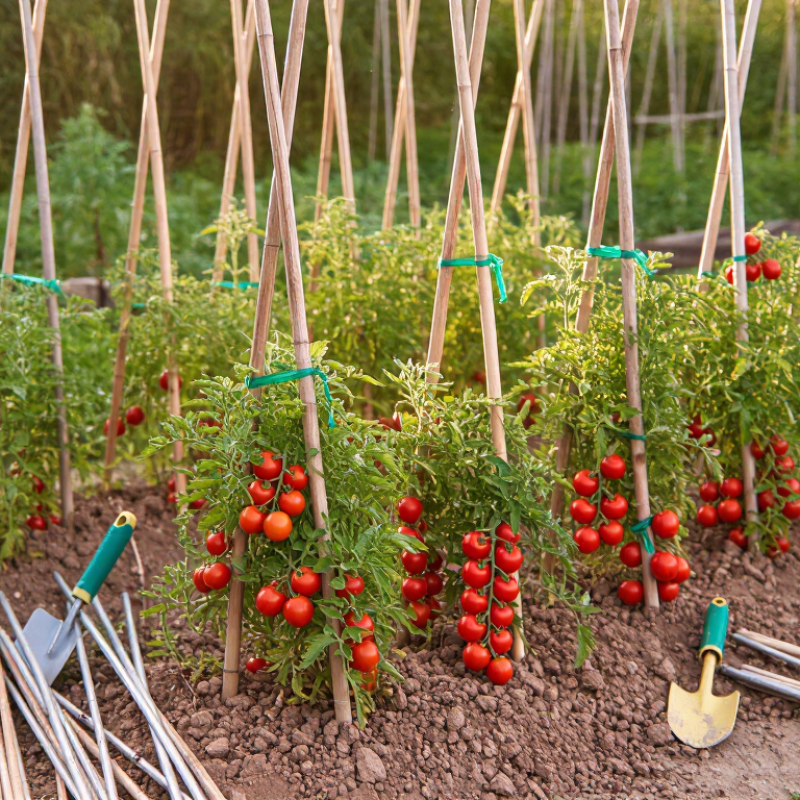
In practical gardening, the right support begins before the plant becomes heavy. University extension guidance commonly recommends securing indeterminate tomatoes as they grow, rather than waiting for stems to bend. Choose a stake that reaches about 1.8 metres above ground and place it close to the root ball during planting.

Soft ties should hold the stem loosely, leaving room for thickening. Tight knots can cut into the plant.

Support does not create growth by itself. Sunlight, soil fertility, watering, and pruning still matter. Yet a stable plant usually develops a cleaner canopy and more accessible fruit.

I have found that thin stakes often look adequate in May, then fail under summer weight. That mistake is easy to repeat.

Check the tie points weekly, especially after rain or strong wind. Some gardeners also over-prune, exposing fruit to harsh sun. A stake should guide the plant, not force it into an unnatural shape.
How to Choose the Right Stake for Each Tomato Variety

Top Tomato Plant Stakes for Strong Support and Better Growth

How to Choose the Right Stake for Each Tomato Variety

Choosing a tomato stake starts with the plant’s mature size, not its current height. Determinate tomatoes usually stop growing after producing a concentrated crop. A 90 to 120-centimeter stake often supports them well. Use a sturdy stake with a diameter of at least 1.5 centimeters. Tie stems loosely every 20 centimeters, leaving room for expansion.

Indeterminate varieties keep growing and may exceed two meters. They need taller support, often 180 to 240 centimeters, driven 30 centimeters into firm soil. Beefsteak plants carry heavy fruit, so choose thick wood, coated metal, or another weather-resistant material. Cherry tomatoes may look light, but their long vines can become surprisingly dense. A stake alone may struggle. Pair it with soft ties or a simple horizontal support.

In my garden, I once used a short stake for an indeterminate plant. It leaned badly after the first windy week. That mistake taught me to install support before the roots spread. Place the stake 8 to 10 centimeters from the stem, avoiding the main root ball. Check ties weekly during rapid growth. Some advice suggests pruning heavily for easier staking, but I have found that excessive pruning can expose fruit to harsh sun. Support should guide the plant, not fight its natural shape. Soil type matters too. Loose soil may require a deeper stake or two supports.

Materials, Shapes, and Designs Used in Tomato Stakes

Tomato plant stakes provide structure when fruit-heavy stems begin bending toward the soil. Their material affects strength, weather resistance, and handling. Bamboo stakes are lightweight, renewable, and easy to cut, but they may soften after repeated seasons. Galvanized metal stakes offer firm support and resist moisture, although they can become hot under strong sunlight. Fiberglass is flexible, durable, and less likely to rust. Plastic-coated steel adds a smoother surface that reduces stem damage.

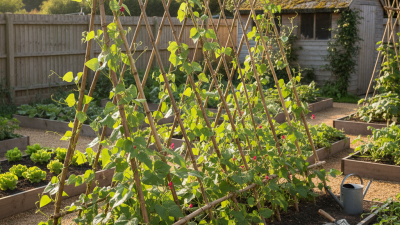
Shape also changes how a plant grows. Straight stakes suit compact tomatoes and work well with soft plant ties. Spiral stakes support stems at several points without constant knotting. They look neat. However, spirals can become crowded when branches spread widely. A tripod design distributes weight across three legs, making it useful in loose soil or windy gardens. Tomato cages provide broader support and allow several stems to grow naturally, but weak cages may collapse under large fruit.

Choose a stake based on mature plant size, soil firmness, and local weather. Push it into the ground before transplanting to avoid damaging developing roots. I once used a thin bamboo stake for an indeterminate tomato, and it leaned badly by midsummer. That choice was not ideal. A thicker stake, placed 20 to 30 centimeters deep, would have worked better. Secure stems loosely, leaving room for expansion. Tight ties can cut into wet, fast-growing tissue. Even strong designs need checking after heavy rain.

How to Install and Position Stakes for Strong Plant Support

Top Tomato Plant Stakes for Strong Support and Better Growth

How to Install and Position Stakes for Strong Plant Support

Install the stake before transplanting, not after the roots spread. Choose a sturdy stake about 1.8–2.4 meters tall. University of Maine Cooperative Extension recommends placing roughly 30 centimeters underground for reliable support. This depth matters when summer winds press against heavy foliage. Leave at least 1.2 meters above the soil for indeterminate tomatoes. Cornell Cooperative Extension notes that these plants can grow 1.8–3 meters tall, depending on variety and conditions.

Position each stake 8–12 centimeters from the seedling’s stem. A closer stake may damage developing roots. Push it into firm soil with a mallet, avoiding the root ball. Tie the main stem using soft cloth strips or flexible garden tape. Make loose loops every 20–30 centimeters. The stem should move slightly. Too much tension can cause abrasion and restrict growth.

Check the ties weekly. Add support before fruit clusters become heavy. The United States Department of Agriculture reports that fresh-market tomato production remains a major commercial crop, but home growers often underestimate plant weight. That mistake is common. I have seen a strong stem split after one storm because the upper branches had no support. Prune only when necessary, and keep the stake on the windward side. Positioning is not always perfect; observe the plant, then adjust.

Ways to Tie, Train, and Maintain Supported Tomato Plants

Strong tomato support begins when plants are still young. Choose a stake taller than the expected plant height. Push it 20 to 30 centimetres into firm soil, beside the root ball. Avoid damaging the main roots.

Tie the stem with soft cloth strips or stretchable garden ties. Make loose figure-eight loops around the stake and stem. This prevents rubbing as the stem thickens. Add another tie every 20 to 25 centimetres. Train the main stem upward, while removing crowded shoots only when necessary. Some gardeners remove every side shoot, but that can reduce leaf cover and fruit quality. I prefer moderate pruning and careful observation.

Tips: Tie plants in the morning, when stems are firm and dry. Support heavy fruit clusters with extra loops. Keep ties above flower branches. Check them weekly. Never let a tight tie cut into the stem.

Maintenance matters after strong winds or heavy rain. Inspect the stake for leaning, loose soil, or broken ties. Firm the soil gently around the base, but do not bury the stem deeply. Water near the roots, not over the foliage, to reduce disease risk. Remove yellow leaves touching the ground. A supported plant should move slightly in the wind. Completely rigid plants can snap more easily. My own early supports were often too short, which taught me to plan for the final height, not the current size.