Top Big Tomato Cages for Optimal Plant Growth Today?
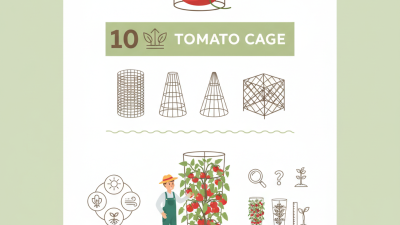
Choosing the right support system for your plants is crucial. Big Tomato Cages offer excellent support for growing tomatoes. They help maintain plant structure and promote healthy growth. With a variety of designs and materials available, selecting the best cage can be overwhelming.
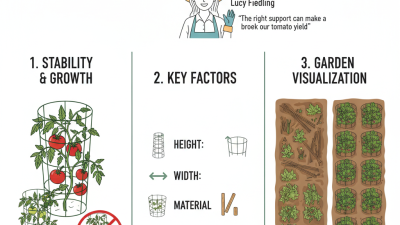
Many gardeners overlook the importance of proper cage selection. Weak structures can lead to broken branches and reduced yields. Ideally, Big Tomato Cages should be sturdy and tall enough to accommodate growth. They should also have a wide base for stability.
Investing in quality cages pays off in the long run. Research shows that plants with proper support produce more fruit. Observing the needs of your plants can guide your choice. While there are many options, finding the right fit requires careful consideration. Trial and error may be necessary to discover what works best for your garden.
Essential Features of High-Quality Tomato Cages for Plant Support
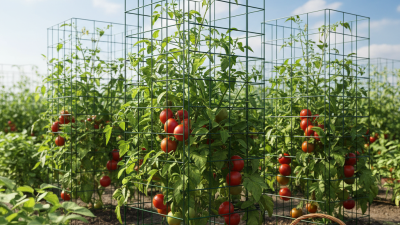
When it comes to supporting tomato plants, selecting the right cage is crucial. High-quality tomato cages provide stability and encourage optimal growth. They should be sturdy yet lightweight and constructed from durable materials such as galvanized steel or heavy-duty plastic. Research indicates that plants grown in proper cages show a 20-30% increase in yield compared to those without support, according to gardening industry reports.
Look for cages that are at least 5 feet tall. This height allows ample space for growth and prevents plants from falling over. A base diameter of at least 18 inches ensures stability. Many experts suggest using cages with a mesh design. This allows for better sunlight exposure and air circulation. Proper ventilation is key to preventing diseases.
**Tips:** Regularly check the integrity of your cages. Look for rust or bent metal. Replace damaged cages promptly to protect your plants. Using mulch at the base can help retain moisture and reduce stress on your plants. Remember, the right equipment can lead to great yields. Be flexible and ready to adjust your methods based on your observations.
Top Big Tomato Cages for Optimal Plant Growth
This bar chart represents the support strength of different types of tomato cages, measured in pounds (lbs). Steel cages provide the highest support strength, making them an optimal choice for growing vigorous tomato plants.
Types of Materials Used in Tomato Cages: Pros and Cons
When choosing tomato cages, the material used can significantly affect plant growth.
Common materials include metal, plastic, and wood. Each has its advantages and downsides.
Metal cages are sturdy and long-lasting, providing excellent support for heavy plants. However, they can rust over time, especially in damp conditions.
Plastic cages are lightweight and resistant to weather conditions. They come in various colors, which can brighten your garden.
But plastic may not provide sufficient support for larger plants, and the material can degrade under intense sunlight.
Wood cages offer a natural aesthetic and can blend well with garden settings. However, they are prone to rot if not treated properly.
Tips:
Consider your local climate when choosing materials.
Metal is great for humid areas, while
plastic might serve better in drier locations. Observe how your plants react to the cage material.
If they struggle to grow, it may be time to reassess your choice. Always ensure the cages are tall enough to accommodate the plant growth.
Determining the Right Size of Tomato Cages for Different Varieties
Choosing the right size of tomato cages can significantly affect plant growth. Different tomato varieties have unique requirements that must be met for optimal results. Determining the correct height and diameter is crucial. For instance, indeterminate varieties like 'Brandywine' can grow tall and need cages that reach 5 to 6 feet. Determinate types, such as 'Roma', often require shorter cages, ideally around 3 to 4 feet.
A study from the American Society for Horticultural Science noted that taller cages provide better support for heavy fruit and prevent damage. Support and airflow are critical factors that contribute to healthy plants. Proper spacing allows sunlight to penetrate, enhancing photosynthesis. The right cage size can reduce the risk of diseases caused by overcrowding.
Tips: Always check the growth habits of your specific variety. Measure your plants to avoid surprises. If you’re using homemade cages, ensure they’re sturdily constructed. Regular maintenance is key; inspect for wear and replace if necessary. Remember, a well-supported plant will yield more fruit and healthier growth.
Best Practices for Installing and Maintaining Tomato Cages
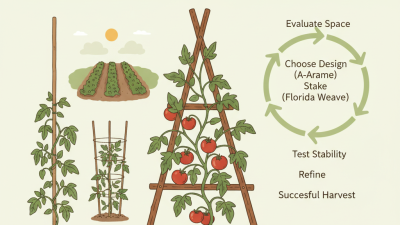
When it comes to tomato plants, the right support is crucial for optimal growth. Proper installation and maintenance of tomato cages can significantly enhance yield. According to gardening expert data, plants supported by cages produce 30% more tomatoes than those without support. Cages allow airflow and sunlight to reach all parts of the plant. This can mitigate the risk of disease and improve fruit quality.
Installation involves choosing the right cage size. A cage height of at least 4-6 feet is ideal for most tomato varieties. Positioning is just as important; avoid areas with poor sunlight. A study from agricultural journals demonstrates that poor light exposure can decrease productivity by up to 50%. Regular maintenance is vital. Inspect cages frequently for damage. A broken or bent cage can lead to plant breakage, requiring immediate replacement.
Watering techniques also matter. Over-watering can weaken cage structures. Research shows a 25% reduction in growth for overly saturated soil. Instead, maintain consistent moisture levels. This will help plants thrive. Assessing cage placement and maintenance practices can maximize productivity. These details contribute to a healthy garden environment, ultimately leading to a bountiful harvest.
Top Brands and Models of Tomato Cages on the Market Today
When it comes to choosing the right tomato cages, many options are available. Different models cater to various needs and preferences. Some cages provide sturdiness, while others excel in height or expandability. Understanding what each type offers can significantly affect tomato plant growth.
Consider using sturdy, galvanized steel cages. They resist rust and provide excellent support for heavy fruit. Wire cages are another option. They are lightweight and easy to reposition. If space is limited, collapsible cages will help. They allow for easy storage when not in use.
Tips: Always select cages that are tall enough to accommodate your tomato varieties. Support your plants early to prevent breakage later. Additionally, look for models with wider bases, as they provide stability in windy conditions. Regularly assess your choices—some designs may not hold up over time or offer the support needed. Test different types to find what works best for your garden.
Top Big Tomato Cages for Optimal Plant Growth Today
| Model |
Height (ft) |
Material |
Weight (lbs) |
Price ($) |
Best Use |
| Heavy-Duty Cage |
5 |
Steel |
10 |
29.99 |
Indeterminate Tomatoes |
| Collapsible Cage |
4 |
Plastic |
5 |
19.99 |
Container Plants |
| Expandable Cage |
6 |
PVC |
7 |
24.99 |
Garden Beds |
| Arch Support Cage |
5.5 |
Galvanized Steel |
12 |
39.99 |
Heirloom Tomatoes |
| Round Tomato Cage |
4.5 |
Metal |
8 |
14.99 |
Bush Tomatoes |